Upgrade the leader and watch the same team transform in days
Coach Lina took over a youth basketball team that hadn’t won all season. The first practice felt like chaos, shoes squeaking, balls bouncing off the backboard, kids arguing about drills. She noticed there wasn’t a single shared definition of success, only frustration. Her whistle cut through the noise and she rolled out a whiteboard.
She wrote two metrics: completed layup reps and turnovers. Then she drew a “targets hit” column and taped a photo of a proper layup form beside it. “Today, this is what ‘good’ means,” she said. The board changed the tone. By break time, one quiet player had doubled his finished reps. Lina pointed to his name and clapped. The gym felt lighter. A parent brought her a bottle of water and whispered, “He’s never focused like this.”
Over the week, Lina rotated her attention to two kids who struggled, offering short, specific cues. One needed to slow his steps, another to keep eyes on the square. She also made a hard call, moving a kid who resisted every drill to a development group with extra support. It stung, but the team understood the line. By Saturday, turnovers dipped, and the scoreboard finally matched their effort.
This shift taps the Pygmalion effect and standards‑setting. Clear, observable definitions of ‘done’ reduce cognitive load, while public scoreboards harness social proof and loss aversion. Coaching the bottom 20% with precise feedback and celebrating early wins creates a positive reward loop. And when necessary, removing chronic drag avoids “norms creep,” where tolerated low standards become the new normal.
Pick the two outcomes that matter most this week and define what ‘done’ looks like in plain language everyone can see. Post a simple scoreboard and update it daily so effort translates into visible progress. Spend a few targeted minutes coaching your lowest performers with one actionable cue, and publicly praise the earliest small wins to show the path. If someone continues to resist, move them to a better‑fit role or part ways to protect the standard and the team’s belief. Try it for one week and watch the tone shift.
What You'll Achieve
Internally, build a belief that effort maps to results and that standards are real. Externally, get quick, measurable gains in key metrics and a noticeable improvement in practice or work tempo.
Reset standards with a visible scorecard
Define ‘done’ for key tasks
Write plain‑language acceptance criteria with examples and photos if helpful. Ambiguity breeds inconsistency.
Install a simple leaderboard
Use a whiteboard with two metrics that matter this week, updated daily. Public results nudge behavior without speeches.
Coach the bottom, spotlight the top
Give targeted, kind, specific feedback to laggards. Celebrate small wins loudly to model what good looks like.
Reassign or release chronic drags
If coaching fails, move people where they can win or part ways to protect standards and morale.
Reflection Questions
- Which two metrics, if improved, would lift everything else?
- Where is ‘done’ still fuzzy and causing rework or arguments?
- Who needs one precise cue today versus a role change?
- How will I celebrate the smallest honest win to set the tone?
Personalization Tips
- Sports: Post a practice board showing sprints finished and turnovers committed, then praise the first player who hits clean reps.
- Education: Share a rubric with sample A‑level work and hold brief daily conferences for the three most common gaps.
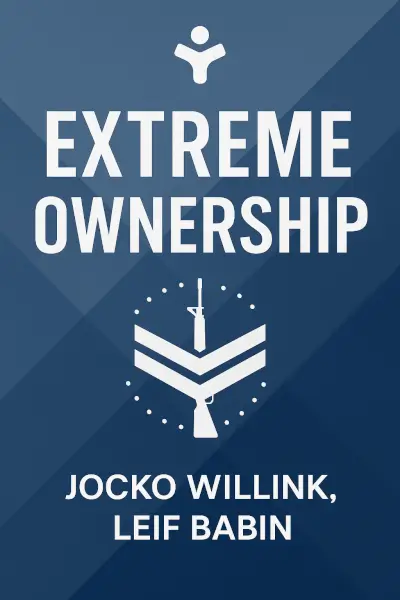
Extreme Ownership: How U.S. Navy SEALs Lead and Win
Ready to Take Action?
Get the Mentorist app and turn insights like these into daily habits.