Break the silence with shared reality checks
In late 2008, the operations director of a mid-size manufacturer faced a looming crisis: raw-material costs had spiked, and his profit projections no longer made sense. He called two dozen leaders from procurement, production, R&D, and sales into a warehouse boardroom littered with rolled-out floor plans and dusty pallets. The air was warm, and a machine-shop whistle blew just outside, punctuating the tension.
He started by flopping a set of assumptions on the table—cost per ton of steel, anticipated order volumes, subcomponent lead times—then asked each group to challenge at least one item on the list. Forklift horns bleeped in the background as purchasing managers pointed out new tariff talks they’d just heard about. The R&D head rattled off pending part-obsolescence notices. The mix of perspectives shattered the silence of incomplete forecasts.
After twenty minutes, the team broke into function-specific clusters, updating their data and modeling alternative scenarios on whiteboards. Each cycle took just thirty minutes but revealed a new trade-off: slower production to consolidate shipments saved freight but risked missing delivery dates; a price increase would protect margins but test customer loyalty.
They reconvened, assigned clear action owners (“Buy steel futures by Friday, audit current inventory by next Tuesday”), and set milestones for daily check-ins, promising to reconvene if any assumption shifted more than 3 percent. The plan they produced was leaner, more realistic, and owned by everyone. Six months later, the company not only hit its adjusted targets but discovered new efficiencies it never would have found in a one-sided budget debate.
This process is powered by a principle from group decision science: simultaneous, cross-functional dialogue uncovers “hidden” information that individuals alone tend to overlook. By testing assumptions in real time and assigning public accountability, you sidestep common cognitive biases— confirmation bias, groupthink, and overconfidence—that derail so many plans.
When you sense your team is stuck in the usual budget grind, call them together and say, “Let’s get candid—what are our real assumptions?” You’ll guide them through a rapid cycle of listing and testing each assumption, pointing out, “If this number shifts by more than 5 percent, we’ll adjust our plan.” As you finish each cycle, name who will own each action (set calendar invites now), then circle back weekly to track the progress you committed to. This isn’t micromanagement—it’s shared ownership of reality, and it’s how you’ll stay ahead of surprises.
What You'll Achieve
Internally, you will build trust, break down silos, and sharpen collective judgment by surfacing hidden assumptions in a group setting. Externally, you will accelerate decision making, improve budget accuracy, and enhance adaptability, resulting in better financial performance and faster response to change.
Hold candid reality-based meetings
Invite key stakeholders to the same table
Gather representatives from all functions—sales, manufacturing, finance, HR—so each part of the plan is represented. Ensuring everyone with a stake in the outcome is present minimizes costly information gaps.
List your critical assumptions out loud
Spend 10 minutes writing down the assumptions driving your numbers—market growth, pricing, supply availability—then read them in turn. Hearing them exposes blind spots and avoids wishful thinking.
Run multiple rapid-fire plan iterations
Break into small groups to model revised budgets or operating plans under each set of assumptions. Come back together after each cycle for a 15-minute debrief to spot conflicts and trade-offs.
Assign clear ownership and milestones
At the end of each session, name who will deliver which actions by which date. Record these commitments publicly so follow-through is visible to the entire team.
Reflection Questions
- When was the last time your team debated the assumptions behind your targets?
- Which key assumption, if changed by 10%, would most impact your plan?
- Who in your organization hears information that you don’t—and how can you bring them into the dialogue?
- How often do you follow up on commitments made in planning—are milestones too far apart?
Personalization Tips
- At home: Sit down with your family to list bright ideas for vacation before setting a budget—everyone contributes assumptions about cost and timing before booking flights.
- In sports: Before game day, get your coach, captain, and key players together to agree on the playbook and run through each scenario to surface hidden weaknesses.
- In finance: Gather your partner and tax advisor in a single call to review projected income assumptions, filing deadlines, and potential audits for the year to avoid surprises.
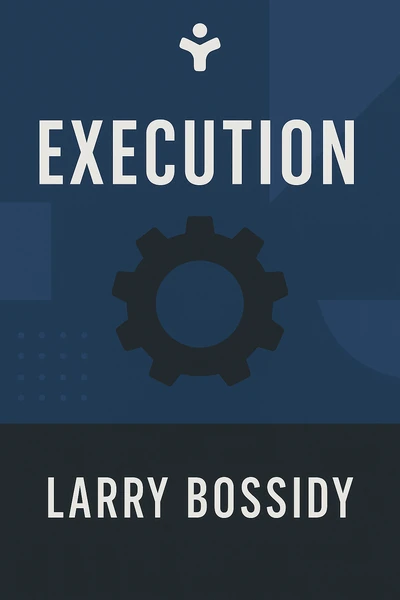
Execution: The Discipline of Getting Things Done
Ready to Take Action?
Get the Mentorist app and turn insights like these into daily habits.