You can catch and cure emotional “tics” in your social circle
In 2011, a high-school in Le Roy, New York, became an unlikely case study in emotional contagion. Twelve teenage girls suddenly developed tics after naps— facial twitches, head jerks—setting off a frantic search for toxins, infections, and even cyanide leaks. Nothing was found. In the end, experts concluded it was mass psychogenic illness: shared anxiety that rippled through an already stressed group.
Facebook’s own experiment confirmed emotional contagion online: by filtering positive or negative posts in nearly 689,000 users’ News Feeds, the social network found people’s own posts became cheerier or gloomier in response. Neither plotlines nor algorithms matter as much as the people around you. If your team is locked in a loop of gripe sessions, or your friend circle is buzzing with excitement, you’ll absorb that mood unconsciously.
That contagion can harm performance and well-being—stress spreads through family, classrooms, and workplaces quicker than laughter does. But you can fight back. Psychologists suggest naming the mood wave as it surges, snapping yourself out of autopilot mimicry. Then offer a deliberate counter-emotion: a heartfelt thank-you or a quick joke can interrupt the cycle and seed a new, healthier dynamic. And by tracking the group’s emotional patterns, you can step in sooner next time, reducing the emotional overwhelm that often leads to group burnout.
You arrive in the office and feel the post-deadline anxiety pulsing around you. Instead of matching the tension, you lean into calm: you call out three big wins from last week, watch as brows relax and shoulders drop, and sense the room breathing easier. By catching that emotional tic, naming it silently, and sharing a story of accomplishment, you break the contagion loop and set new tone. Give it a try at your next meeting.
What You'll Achieve
You’ll gain internal insight into how group emotions sweep you up and build the habit of pausing and naming the mood. Externally, you’ll foster healthier team dynamics, boost morale, and curb the spread of negativity.
Build conscious emotional boundaries
Monitor moods around you
Spend three days observing the dominant emotion in a group—family, office, online. Note whether negative or positive tones recur in conversation or posts.
Name the contagion
When you detect an emotional pattern—rising frustration or shared enthusiasm—verbally label it privately (e.g., “wow, that’s a lot of stress here”). Recognizing it interrupts automatic mimicry.
Share a counter-emotion
Deliberately express gratitude, humor, or calm in the group. For example, offer a genuine compliment or share a brief uplifting story to shift the tone and observe the ripple effect.
Reflection Questions
- What patterns of mood dominate your daily interactions?
- How can you gently name an emotional wave to break the cycle?
- What uplifting story or compliment could you share right now?
- Who in your circle needs a shift toward positivity?
- How will you practice stepping back before mimicking a strong group emotion?
Personalization Tips
- A manager senses team frustration in morning standups and intentionally kicks off with a positive success story.
- A parent spots screen-time anxiety in teenagers and suggests a family joke-telling round to lighten the mood.
- An online group discussion turns toxic, so you post a sincere thank-you note to everyone to redirect the energy.
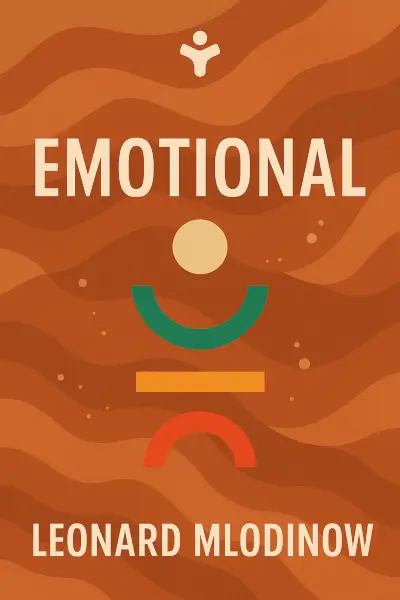
Emotional: How Feelings Shape Our Thinking
Ready to Take Action?
Get the Mentorist app and turn insights like these into daily habits.