Write your goals in present tense and plan on paper to unlock action
When a goal lives only in your head, it competes with dozens of vague wishes. Writing it down in present tense forces clarity. Your brain treats clear statements like “I submit my certification application by June 1” as a prediction to fulfill, not a fantasy to admire. Paper makes it tangible and checkable, and a pen slows you just enough to think.
Here’s how it plays out. You jot ten one-year outcomes as if they’re done. One jumps off the page: finishing the certification that’s stalled you. You give it a date, divide it into four monthly chunks, and list every step you can think of—from requesting transcripts to scheduling the skills test. The list looks long, but each item is small and doable. You put “download application form” in tonight’s calendar, then set a 15-minute daily block at 7:15 a.m. to keep moving.
The next morning, while your tea steeps, you complete the first form and email two colleagues for references. The act of checking off a box gives you a small hit of progress. Midweek, you add steps you forgot, like booking a notary for a form. The structure keeps you honest when motivation dips, because you don’t have to decide what to do—you just do the next step.
Psychologically, this taps several mechanisms: implementation intentions (if-then plans tied to time), the Zeigarnik effect (unfinished tasks occupy mental space until captured), and precommitment (deadlines and public promises reduce slippage). Writing in present tense primes your reticular activating system to notice resources and opportunities you’d otherwise miss. The magic isn’t in the pen, it’s in the clarity and the first small action that follows.
Tonight, grab a sheet of paper and write ten one-year goals as if they already happened, then circle the one that would change your life the most. Give it a firm date and split it into monthly checkpoints, then brain-dump every task you can see and order them by what must come first. Do one five-minute step right away, even if it’s just downloading a form, and block a small daily slot to keep going. Keep the page visible so tomorrow morning you can follow the next action without thinking; give it a try tonight.
What You'll Achieve
Replace vague hopes with a written, dated plan, leading to daily action, less mental clutter, and measurable progress on a meaningful one-year goal.
Do a seven‑step goal sprint tonight
List ten one‑year goals in present tense
Write as if they already happened, such as “I save $300 per month,” or “I lead a weekly study group.” This format engages your brain’s predictive coding to search for ways to make it true.
Pick the one with the biggest life impact
Circle the goal that would change the most if achieved. Trust your gut; impact matters more than ease.
Set a deadline and subdeadlines
Put a clear date and break it into monthly or weekly checkpoints. Deadlines create urgency and reduce vague intention.
Make a complete task list and order it
Brain-dump every step, then sequence by priority and dependency. Use verbs: draft, call, schedule, practice.
Take one action immediately and daily
Start tonight with a five-minute step. Then schedule a small daily action. Consistency beats intensity.
Reflection Questions
- Which single one-year goal would change your life the most if achieved?
- Where will your daily five- to fifteen-minute block live on your calendar?
- What’s the easiest first step you can complete in five minutes tonight?
- Who needs to know your deadline to help you stay accountable?
Personalization Tips
- Career: “I present a polished portfolio by May 30,” then list the pieces to shoot, edit, and print.
- Health: “I walk 8,000 steps daily,” then schedule 20-minute walks after lunch and dinner.
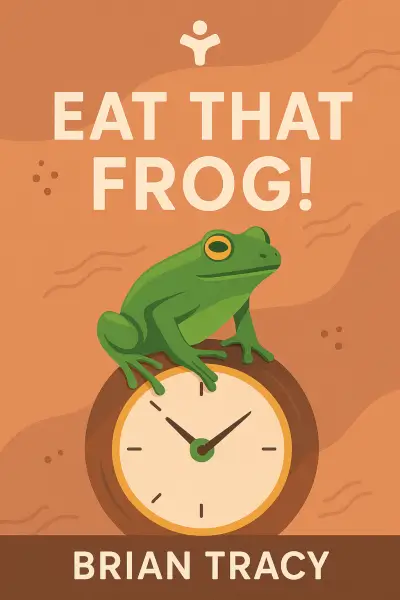
Eat That Frog!: 21 Great Ways to Stop Procrastinating and Get More Done in Less Time
Ready to Take Action?
Get the Mentorist app and turn insights like these into daily habits.