Speed up when two good options stall you
You spend a week comparing two perfectly decent summer camps. The tabs multiply, and so do the second‑guessing questions. On Thursday night you set a timer for twenty minutes and promise yourself you’ll be done when it dings. You write three lines of criteria, flip a coin, feel a tiny wince, and choose the other one. You book the spot and breathe.
The following day, your coworker teases you about your “dramatic” decisiveness. You laugh and tell her your rule: if two options are good, the timer decides when you decide. A small story proves the point. Last month you were still staring at hotel choices in the Uber from the airport. This month you picked in fifteen minutes, wrote a one‑line why, and enjoyed the trip without mentally reopening the tab.
When a choice backfires, you practice moving fast there too. The wrong size arrives, or the restaurant is loud and not your scene. You swap sizes or ask to move. You let go of the self‑lecture and look for the next right step. Your coffee cools slower when you don’t spend five minutes arguing with yourself.
This tactic rests on bounded rationality—when options are roughly comparable, more analysis rarely improves outcomes but reliably increases regret. Imposing small deadlines, using gut reaction as a data point, and writing a reason compress the choice, protect attention, and prevent rumination. You’re not being reckless, you’re respecting the point of diminishing returns.
When you’re stuck between two good choices, set a 15–30 minute timer and commit to choosing by the end. Flip a coin to catch your true preference, then pick and write a one‑line reason so your brain can stop re‑litigating it. If you’re still wedged, call one trusted person for a five‑minute outside view and then act. And when a minor choice goes sideways, skip the self‑lecture and take the next sensible step. Run this on your next decision today.
What You'll Achieve
Internally, reduce fear of wrong choices and end the habit of re‑opening decisions. Externally, cut choice time dramatically and keep plans moving without last‑minute scrambles.
Decide in minutes not weeks
Set a hard micro‑deadline
Give yourself 15–30 minutes for decisions between good options. Put a timer on and honor it.
Use the coin‑reaction test
Flip a coin to notice relief or disappointment. Choose the option your gut revealed.
Write a one‑line why
Record your reason to reduce post‑decision rumination. “Chose Option B for fit with this month’s time budget.”
Create if‑then huddles
If you’re still stuck, phone a trusted friend for a five‑minute outside view. Limit it to one call.
Forgive small mistakes fast
When you botch a minor choice, shift to solutions, not self‑attack. Ask, “What’s the next right step?”
Reflection Questions
- Where do I routinely spend too long choosing between good options?
- What time limit will I honor for that category?
- Who is my five‑minute outside‑view person?
- What sentence will I write to lock in my choice?
Personalization Tips
- Career: Two workshops both fit—set a 20‑minute deadline, pick, and book.
- Home: Unsure about a weekend plan? Decide by 6 p.m. today and text confirmations.
- Health: Two solid gyms—tour one this week, sign up before you leave.
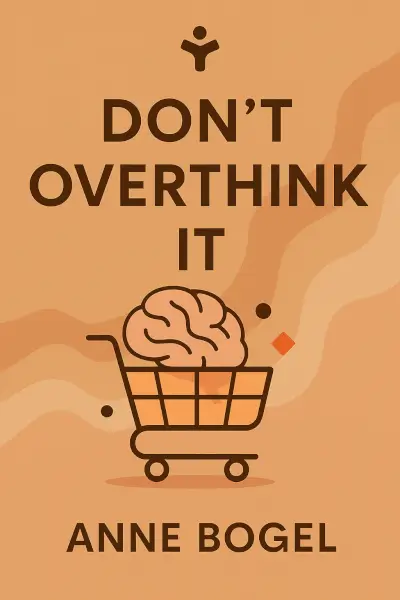
Don't Overthink It: Make Easier Decisions, Stop Second-Guessing, and Bring More Joy to Your Life
Ready to Take Action?
Get the Mentorist app and turn insights like these into daily habits.