Why Your Default State Should Be Internal Aggression
Jocko once arrived at a corporate headquarters in Chicago before sunrise, the city lights still flickering in the river’s reflection. His brief was to advise on leadership culture. Instead of waiting for introductions, he strode into the empty conference room, flipped on the projector, and began laying out proposals on the blank screen.
By the time the executive team trickled in, Jocko had sketched the first slide. They exchanged stunned glances—he’d taken the initiative where they expected caution. That single move shifted the dynamic. From then on, every suggestion felt like the natural next step from someone already in motion.
He calls this default aggressive. It doesn’t mean head-first recklessness—it means leading from the inside out. When you believe you can win, you don’t wait for permission. You sketch the first draft of the plan, you train before dawn, you reach out first.
This approach aligns with the concept of “agentic orientation” in psychology—the sense that you are the primary driver of outcomes. When you maintain internal aggression, you create opportunities instead of reacting to them.
Pick one area where you can lead and jot it down. Sketch three concrete moves you can take tomorrow morning, then strike the first blow—send that email, hit the training mat, or call that meeting. Finally, log each small win in a notebook so you see how your initiative compounds. Give it a try at your next project kick-off.
What You'll Achieve
You’ll shift into an agentic mindset, proactively creating opportunities rather than reacting. Externally, this produces faster decisions, clearer influence, and measurable small-win momentum; internally, you’ll gain self-confidence and a reputation as a driver.
Activate Your Inner Aggressor
List where you’ll lead.
Pick one area where you can assert initiative—at work, in training, or with family—and write it down.
Draft a rapid plan.
Outline three immediate steps to attack that area—like scheduling a meeting or training session tomorrow morning.
Execute the first move.
Make that first log—send the invite, hit the first rep, or set the first boundary without hesitation.
Track small wins.
Record every forward step, no matter how small, to reinforce your aggressive default mode.
Reflection Questions
- Where in your day could you assert leadership instead of waiting for instructions?
- What three steps will you outline to lead that area tomorrow?
- How will you celebrate each small forward move?
Personalization Tips
- On a team project, Alex emails a proposal draft at 7 AM so colleagues see his lead.
- When learning Spanish, Mia schedules her first conversation practice without delay instead of waiting weeks.
- Parenting: Jake initiates a weekly family meeting to set shared goals, rather than waiting for conflict to spark it.
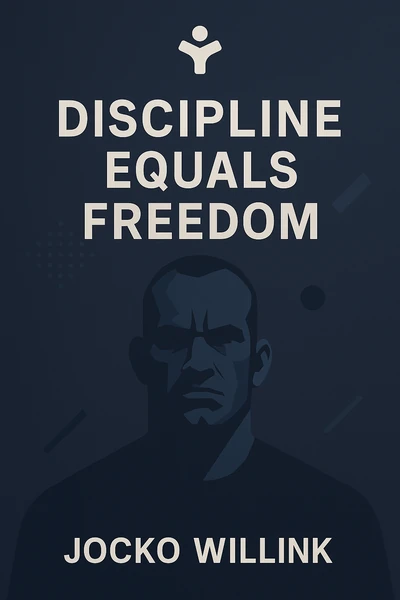
Discipline Equals Freedom: Field Manual
Ready to Take Action?
Get the Mentorist app and turn insights like these into daily habits.