End Conversations Using the Psychological Power of Recency
John always felt confident during meetings until it was time to leave. He’d shake hands, say a quick “Catch you later,” and walk away, only to wonder if he’d really closed the loop. His final moments became a blur, fading from others’ memories like a book dropped off a stack. That changed when he learned about the recency effect—our brains store the last impression most vividly.
Cognitive psychology likens memory to a stack: the latest item sits on top, easy to access, while earlier details get buried. By consciously shaping your exit, you can ensure your key message, resource, or promise lodges itself at the top of someone’s mind. Whether it’s a quick recap of the best insight you exchanged or a playful sign-off that ties back to your discussion, that final moment will stick.
To put this into practice, treat the end of a conversation as a strategic touchpoint. Recap one memorable takeaway, offer a helpful link or tip, and set up your next meeting. Top it off with a personalized wink—literal or verbal—that cements a positive emotional note. When done well, you won’t just be another face walking away; you’ll be the person whose closing line people replay later.
When you sense a conversation winding down, pause and summarize a standout point that resonated with you. Then offer something practical—like an article or event—to reinforce their interest. Suggest a concrete follow-up meeting or call so the dialogue can continue. Finally, leave them with a light, personalized quip that ties back to your talk. By designing these final moments deliberately, you’ll anchor yourself in their memory and set the stage for the next chapter in your connection.
What You'll Achieve
You will leave stronger final impressions by strategically shaping the last moments of your dialogue, increasing your memorability and driving follow-up opportunities.
Design Your Final Moments
Craft a recap line
Summarize a highlight from the conversation—"That marketing hack you shared is going right into my notes"—to reinforce the key idea.
Offer a takeaway
Share a resource or tip relevant to what they discussed, like a link to an article or an upcoming event that ties into their interest.
Invite another meeting
Suggest a concrete next step, for example "Let’s grab coffee and continue this chat on Thursday." This builds anticipation for the next interaction.
Use a witty sign-off
Leave them smiling with a personalized line—"Watch out for that spreadsheet I owe you, it has zero typos, I promise!"—so they remember you fondly.
Reflection Questions
- What key takeaway do you want people to remember from your next conversation?
- How can you weave a resource or next step into your closing line?
- What playful or witty remark feels authentic to your style?
Personalization Tips
- After a team debrief you end by recapping the one goal that energized everyone and emailing the shared task list moments later.
- On a first date you promise to send photos of your hiking trip, then text them immediately for maximum impact.
- Following a client proposal you schedule a follow-up call and leave with a clever nod to an inside joke you picked up.
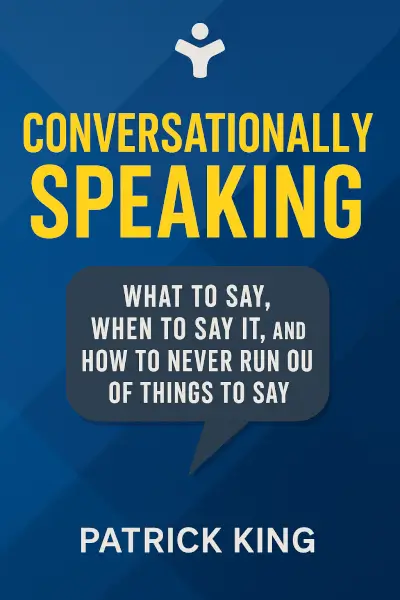
Conversationally Speaking: WHAT to Say, WHEN to Say It, and HOW to Never Run Out of Things to Say
Ready to Take Action?
Get the Mentorist app and turn insights like these into daily habits.