Icebreakers That Melt Social Icebergs in Seconds
Bill arrived at the company networking mixer under soft Edison bulbs, the low hum of introductions swirling like a light breeze through the room. He hovered nervously near the snack table, hoping for a natural opening. Then he paused, eyes on the framed photos of the host on a side shelf—every guest must know Alex from summer internships. That shared connection was his clue.
He stepped forward and asked a group by the snacks, "How did you all meet Alex?" The question landed so smoothly it was as if he’d known them for years. Laughter followed as each person jumped in to recount their own welcome email or dorm-life story. Within a minute, Bill felt like part of the circle. He moved on with friendly waves, armed with names and anecdotes to guide future chats.
In business, first impressions and initial connections are everything. By anchoring an icebreaker in a broad commonality—location, host, or shared experience—and then narrowing to a personal thread, you reduce awkwardness and foster genuine interest. This simple two-stage formula cuts through social friction. When teams, clients, or right-fit partners feel that instant rapport, doors open and deals accelerate.
Notice the cues around you at your next gathering—venue features, host stories, event theme—and list them in your mind. Craft three openers tied to those shared details, then say them out loud to sound natural. Try each one in your next conversation, judge which gets the best response, and adjust your phrasing for next time. Over just a few events, you’ll see how mapping shared context first turns strangers into collaborators.
What You'll Achieve
You will confidently break the ice by anchoring your introduction in shared context, reducing awkwardness and forging connections faster. This leads to smoother networking, clearer collaboration, and stronger team bonds.
Map Shared Context First
List your environment’s cues
Note the venue, event theme, host connections, or any props around you. This anchors your opening in shared experience.
Draft three context-based openers
Write down phrases like "How do you all know the host?" or "Have you tried the coffee here?" so you’ve got ready-made starters.
Practice them aloud
Say each opener in front of a mirror or record your voice to ensure your tone sounds curious, not rehearsed.
Rotate and refine
Use each opener once at your next gathering, then rate how easily the conversation flowed and tweak accordingly.
Reflection Questions
- What shared detail will you use as your next icebreaker?
- How comfortable did you feel asking about the host or event theme?
- What tweak made your opener more engaging?
Personalization Tips
- At a conference, Anna asks fellow attendees how they found the opening keynote—instantly bonding over shared insights.
- During a neighborhood potluck, Marcus remarks on the grill setup and segues into swapping family recipes.
- In a study group, Sofia opens with, "Which chapter gave you the biggest headache?" and laughs echo around the table.
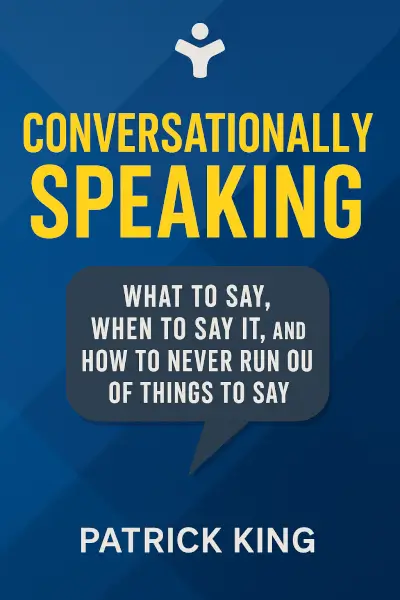
Conversationally Speaking: WHAT to Say, WHEN to Say It, and HOW to Never Run Out of Things to Say
Ready to Take Action?
Get the Mentorist app and turn insights like these into daily habits.