Becoming a Verbal Mirror Reduces Social Jitters
You walk into a crowded bar and feel the familiar spin in your chest as your phone buzzes quietly in your pocket. The bartender’s shout and clink of glasses pull your attention, but you catch yourself searching for an escape. Then a friend nudges you with a simple, “So, what brought you here tonight?” The question lands powerfully because it puts the focus on them, not you. I might be wrong, but that’s your moment of relief.
Verbal mirroring is the art of shining the conversation back onto the other person. By asking open questions and reflecting their last words, you let them shoulder the weight of leading the talk. They reveal their motivations, and you sidestep the spotlight that fuels your anxiety. This isn’t about being passive—it’s a smart tactic rooted in reciprocity and self-perception. When people share what matters to them, they feel seen and safe.
Last week, you tried this at a networking event. You asked one person why they chose that workshop, and when they said "to learn new marketing hacks," you simply repeated, "Marketing hacks…" Their eyes lit up, and they plunged into a passionate explanation while you nodded along. You barely noticed your pulse once the mirror was in place. The crowd’s buzz faded and turned into a backdrop to their story.
This approach draws on social psychology: people love talking about themselves, and when you give them that role, they build rapport with you almost automatically. Use this tactic the next time you feel the jitters, and watch the tension melt away.
Next time you’re stuck or nervous, start by asking about their passions—anything from weekend plans to a recent hobby. Repeat a key phrase they say and pause, letting them expand. Keep a mental note of one or two details, like a hometown or favorite book, so you can circle back later. If anxiety creeps in, gently guide the conversation back with another open question about what they’ve shared. Practicing this shift of focus will ease your social jitters and deepen connections, so give it a try at your next meetup.
What You'll Achieve
You will gain confidence by shifting focus away from your anxiety and onto the other person, creating a smoother flow and deeper rapport. This leads to less stress in social settings and more meaningful interactions.
Let Them Take the Lead
Ask open questions first
Kick off every interaction by asking about their passions or plans. This shifts the spotlight away from you and lets them feel in control.
Repeat key phrases
When they say "I’ve been learning guitar," mirror back "Learning guitar…" and pause. This encourages them to expand and keeps you off the hook.
Store personal details
Mentally note one or two things they mention—like hometown or favorite book—so you can bring them up later and show genuine interest.
Guide back with questions
If you start feeling anxious or stuck, simply redirect with another question about what they shared. This maintains momentum and eases pressure off you.
Reflection Questions
- When did shifting focus off yourself reduce your anxiety in a conversation?
- Which open questions have sparked the most animated responses?
- How will you remind yourself to mirror back next time you feel stuck?
Personalization Tips
- At a family gathering you lean in and ask your cousin about her new job, letting her set the tone of the chat.
- On a first date you echo her story about traveling to Italy by repeating "Italy…" and watching her face light up with details.
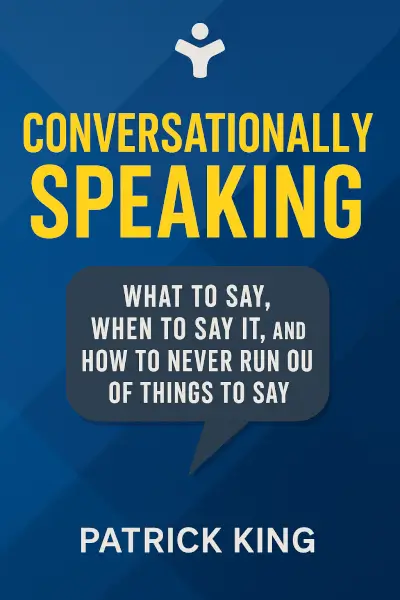
Conversationally Speaking: WHAT to Say, WHEN to Say It, and HOW to Never Run Out of Things to Say
Ready to Take Action?
Get the Mentorist app and turn insights like these into daily habits.