Move closer to understand those you fear most
You’re at a block party, pulled by a savory grill smell, when you spot a neighbor you barely know—someone whose yard flag you’ve scoffed at in passing. Your heart hammers: what if they judge you? But you press on. “Hey, the burgers smell amazing. What’s your secret?”
They brighten, tell you it’s family barbecue sauce, and ask about your weekend. You mention your kid’s baseball game, and suddenly the political rift feels miles away. A lawn chair creaks as a few more guests drop by. You resist the urge to escape.
When they share that the flag represents a hometown team, you admit you’ve never been to that city. You listen to their hometown tale of minor league games and street festivals. The sun dips; cicadas hum. You realize you’re smiling more than you have all month.
Psychologists call this counter-stereotyping: by personally encountering someone we’ve dehumanized, we weaken our biases. Next time you see a lawn sign, you’ll recall Gene’s backyard stories more than your assumptions.
That evening, you jot in your journal: “They reminded me that under any banner, we all crave community.” Now you know how easy it is to swap distance for curiosity.
Begin by reaching out to someone whose views differ, ask about everyday joys before controversial topics, listen and reflect their stories back, then write down one new understanding. This simple habit shifts fear into curiosity and builds real belonging—try it at your next social event.
What You'll Achieve
You’ll expand empathy, reduce bias, and replace anxiety with genuine curiosity. Externally, you’ll improve relationships across divides, paving the way for richer collaboration and less polarized conflict.
Start small conversations across divides
Pick one person outside your circle
Find a neighbor, coworker, or classmate whose views differ from yours but with whom you’ve had friendly exchanges.
Seek common ground
Ask about their weekend or favorite local spot, then share yours. Focus on an everyday topic before diving deeper.
Ask open questions
Use prompts like “What experiences shape that opinion?” Listen without interrupting. You’re gathering stories, not debating.
Reflect their humanity back
Summarize what you heard: “It sounds like family traditions matter a lot to you.” This simple echo builds trust.
Note what you learned
After the chat, write one surprising insight and how your emotion shifted while talking.
Reflection Questions
- Who in your circle feels ‘other’ until you truly hear them?
- What ice-breaker could turn a tense moment into a friendly chat?
- How did your feelings shift from fear to curiosity?
- What new stereotype did you dismantle today?
Personalization Tips
- At the office, chat with a colleague from a different department to learn about their career path.
- In your neighborhood, invite someone from a different faith to share a favorite holiday memory.
- On campus, ask a peer in a rival club about their goals before mentioning your own.
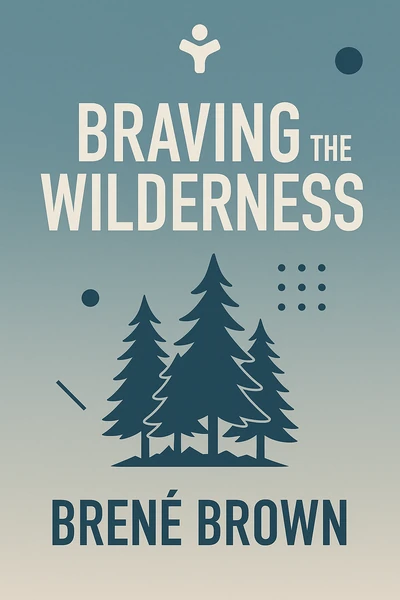
Braving the Wilderness: The Quest for True Belonging and the Courage to Stand Alone
Ready to Take Action?
Get the Mentorist app and turn insights like these into daily habits.