Why your childhood replay button controls today's love life
At eight years old, Sarah hid behind the couch as her parents argued late into the night. A decade later, the sharp tone in her fiancé’s voice backlit a familiar ache, as if she’d slipped on that same living-room rug. It wasn’t just conflict—it was an old alarm bell. One rainy afternoon, with rain pattering on the windowpane, she finally put pen to paper. The first column read “My partner’s tone feels like rejection.” The second column echoed “Mom and Dad’s late-night fights, I felt unsafe.” As she connected the dots, tension in her shoulders eased, and she whispered, “This is not happening in my childhood.”
Research in identity theory shows we unconsciously replay these early scenes because our brains seek familiar patterns. Recognizing them lets us build new neural pathways. That afternoon, Sarah practiced pausing when her fiancé spoke sharply—she took a breath, counted to three, and repeated her reframes. Her new response felt awkward at first, but within days, their conversations held fewer echoes of her parents’ fights.
Over weeks, she caught herself before spiraling—no more sleepless nights haunted by old arguments. By linking triggers to childhood events and deliberately reframing them, she rewrote her script. A quiet confidence replaced the old dread. She saw that the power to reshape her reactions lay not in her partner’s tone, but in her own growing self-awareness.
You’ve just mapped your triggers to their early sources and practiced reframing them out loud. Now, whenever old patterns surface—maybe in a text ping or a tense look—pause, breathe deeply, and remind yourself of the new narrative you’ve written. Speak kindly to yourself: this is not your childhood playing out. Then choose your calm response and try it in a low-stakes moment tonight.
What You'll Achieve
By mapping triggers to childhood roots you will reduce automatic emotional reactivity, gain control over racing thoughts, and communicate more calmly. Externally, you’ll experience fewer arguments and clearer, more empathetic discussions.
Map early triggers and rewrite your script
Identify emotional triggers
Spend 10 minutes listing moments in past arguments or betrayals that still sting. Note the earliest memories tied to those feelings.
Trace back to childhood scenes
Match each adult trigger to a childhood memory—maybe a parental fight or a loss. Use a two-column chart: Trigger vs. Childhood Event.
Reframe with new meaning
For each pair, write a compassionate reframe—"My parents’ fights were their pain, not mine." Repeat aloud before bed.
Practice new responses
Role-play a calm response when a trigger shows up: pause, breathe, then speak your reframe. Do this in front of a mirror three times.
Reflection Questions
- What recent argument felt like an echo of your past?
- Which childhood memory might be fueling that reaction?
- How can you remind yourself in the moment that this is a new situation?
- What small, early-warning signal can you learn to recognize?
- When could you practice your new response tonight?
Personalization Tips
- At work, when a boss’s harsh email hits hard, you recall your first teacher’s criticism and tell yourself it’s not personal.
- When your partner snaps after a long day, you map it to childhood tension on holidays and remind yourself they’re stressed, not rejecting you.
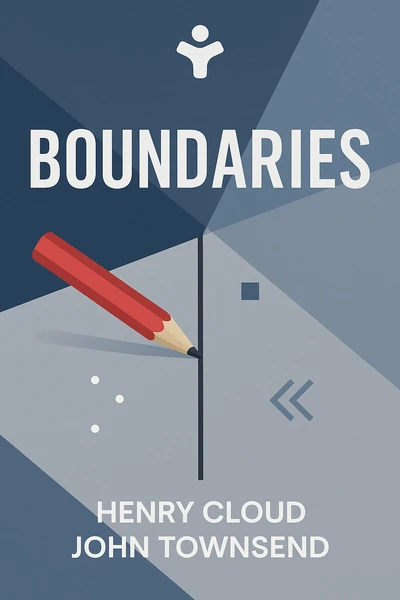
Boundaries: When to Say Yes, How to Say No to Take Control of Your Life
Ready to Take Action?
Get the Mentorist app and turn insights like these into daily habits.