Build a calling by recrafting work around your strengths
Jessica, a marketing analyst, was buried in spreadsheets—yet her top strengths were “originality” and “social intelligence.” She felt drained at day’s end, dreading another round of number crunching. After surveying her strengths, she mapped every task for two weeks. Ninety percent involved data entry or compliance reports—activities that didn’t spark her at all. Jessica spent an afternoon listing three redesigns: pairing with the design team to craft data story–infographics, mentoring interns to handle routine reports, and launching a weekly brainstorming lunch to generate new campaign ideas. She pitched these to her manager as the “Spark Plan.” To everyone’s surprise, the new infographics improved client engagement by 20%, interns felt more invested, and campaign ideas increased by 30%. Jessica’s job went from a grind to a calling—she was innovating every morning, mentoring every afternoon, and collaborating every evening. Productivity soared, and the department’s morale skyrocketed too.
You’ll carve out a “strengths sprint” each Wednesday afternoon. First, block 90 minutes on your calendar labeled “Design ideas.” Next, pull your top strengths list and pick one to flex—say ‘curiosity.' Tackle a client challenge from that angle, jot down ideas, then share them over coffee with a teammate. You’ll return to your regular tasks reenergized, knowing you’re building a career on what you do best. Make next Wednesday your launch day.
What You'll Achieve
You’ll boost job satisfaction by aligning daily tasks with your natural strengths, leading to measurable gains in creativity, engagement, and overall output.
Map strengths to daily tasks
Circle your top five strengths
Review your VIA strengths survey and pick the five that feel most authentic. Ask yourself which you’d want to be remembered for if today were your last day.
Audit your weekly tasks
List every work task you do for one week, hourly. Note whether each activity engages one of your top strengths—yes or no—to reveal gaps.
Identify three redesigns
For three low–strength tasks, brainstorm ways to reframe or delegate them so you spend at least 50% more time on strength–aligned work.
Pitch your plan
Ask your manager or a trusted coworker to pilot a “signature strength sprint”—protected time each week to tackle strength–aligned projects. Track satisfaction and productivity changes.
Reflection Questions
- Which task drains you most and why?
- How could you reassign or redesign one low–strength task?
- Who can you enlist to help pilot your strengths sprint?
- What early metric will show you’re on the right track?
Personalization Tips
- An accountant with creativity finds ways to design more visually engaging client reports.
- A teacher uses curiosity by integrating student–designed experiments into the science curriculum.
- A nurse with humor organizes monthly themed dress–up days to lift ward morale and patient spirits.
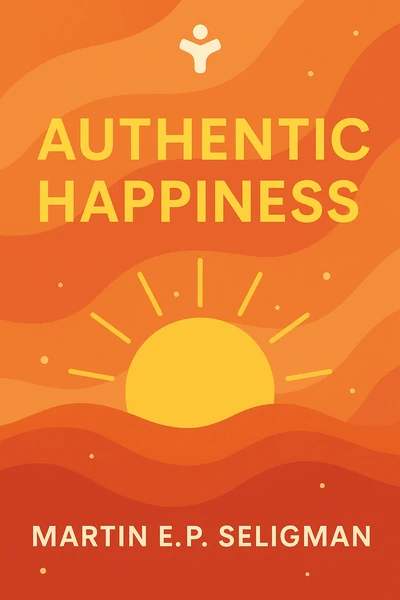
Authentic Happiness: Using the New Positive Psychology to Realize Your Potential for Lasting Fulfillment
Ready to Take Action?
Get the Mentorist app and turn insights like these into daily habits.