Picture success vividly and use physical cues to pull it closer
Maya ran a small design studio and dreaded sales calls. Before each one, she’d pace the kitchen, reheat coffee, and rehearse worst‑case scripts. Her notebook held pages of crossed‑out pitches. A mentor asked her to try something different: write the scene she wanted. Maya scribbled, “I ask two questions, listen, and propose one next step. I sound calm. I end the call with a smile and a clear follow‑up.” She taped a simple card—“Calm, two questions, one step”—to her laptop.
On Monday, the phone buzzed at 10:02. Maya glanced at the card, read her two‑line scene, and took one slow breath. The first call wasn’t perfect, but she asked her two questions and proposed the next step. After the call, she sent a short recap. By Friday, something was different. She still reheated coffee twice, but calls felt more like conversations than auditions.
By the second month, she upgraded her cue to a minimalist lock‑screen—a single dot moving from left to right. The image reminded her to move projects forward a dot at a time. Her close rate ticked up, but the real gain was emotional. She no longer avoided the calendar. Her team noticed the change in her voice and mirroring it in their own calls. Two of them adopted their own scene cards.
This approach combines mental rehearsal (athletes do it for performance), implementation intentions (cue‑linked plans), and embodied cognition (physical cues nudge mental states). Visualization without action is fantasy, but brief sensory images right before relevant work prime attention and reduce friction. Tactile, visible reminders keep the picture alive when your brain wants to drift.
Draft a tiny, sensory snapshot of the outcome you want, then keep it where you’ll actually see it before related work. Read it, breathe once, and do a matching micro‑action—a single email, a single question, a single step. Pair the scene with a physical cue that nudges your brain into the right lane. Refresh the snapshot monthly so it stays fresh. It’s not magic, it’s rehearsal plus a nudge. Write your four lines and make the lock screen tonight.
What You'll Achieve
Internally, lower anxiety and increase focus by priming the brain with clear mental images. Externally, improve follow‑through, reduce avoidance, and increase consistent results in key tasks.
Build a two-minute visualization kit
Write a sensory snapshot
Describe your goal scene with sights, sounds, and feelings—“I close my laptop at 5, shoulders relaxed, inbox at zero.” Keep it to 4–6 lines.
Attach a tangible cue
Create a physical reminder, like a sticky card with the scene title on your wallet or a phone lock‑screen image that represents the outcome.
Rehearse before relevant tasks
Read the snapshot right before action, then do a tiny step that matches the image (one email, one sentence, one outreach).
Refresh monthly
Update the scene and cue as your goals evolve. If it starts to feel stale, it’s time for a sharper picture.
Reflection Questions
- What goal scene would be most useful to rehearse this month?
- What simple physical cue would you actually notice before action?
- What micro‑action proves the image right after you read it?
- How will you keep the image fresh rather than stale?
Personalization Tips
- Creative work: See yourself typing the final paragraph, hearing keyboard clicks, feeling satisfied as you hit save.
- Health: Picture lacing your shoes, feeling morning air on your face, hearing your playlist start.
- Relationships: Visualize greeting your partner warmly when they walk in, then asking one curious question.
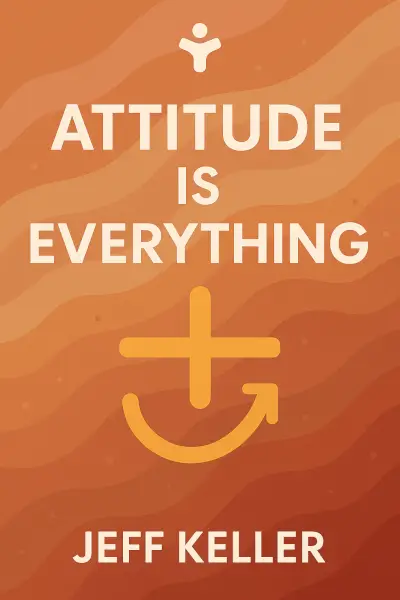
Attitude Is Everything: Change Your Attitude ... Change Your Life!
Ready to Take Action?
Get the Mentorist app and turn insights like these into daily habits.