Empathy you can see train your eyes and your team’s habits
You’re in a meeting and something feels off. The words are polite, yet two people keep tightening their eyes during status updates. No one mentions risk, but shoulders creep upward when timelines appear on a slide. Your phone buzzes, you ignore it, and you start watching the faces instead of the deck. The room gets quieter, which makes the smallest cues louder.
Afterward, you test a simple move. You ask one partner for a 20‑minute walk. Without slides. “What’s the part of this plan you’d be happy to cut?” you ask. A fast, genuine smile reaches her eyes. “Those two middle milestones,” she says, and then confesses she didn’t know how to raise it without sounding negative. The next day the team agrees to streamline, and the tension that kept leaking into the room eases.
Small, trainable habits like reading eye involvement in a smile or watching for micro‑expressions of doubt can unlock safer conversations. Games like “Whose Life?” are playful, but they also reveal how quickly we leap to assumptions. Shadowing a day‑in‑the‑life replaces stories we tell ourselves with what people actually do.
Neuroscience points to why this works. Emotion is largely communicated nonverbally and read by networks that favor context and synthesis. The so‑called Duchenne smile recruits eye muscles you can’t easily fake. Micro‑expressions can flash in under a fifth of a second when someone tries to hide or is just starting to feel something. Training attention to these signals, paired with kind questions, builds trust and better decisions.
Start by learning the eye crinkle of a real smile, then try a quick ‘Whose Life?’ session with your team to surface assumptions. Schedule one one‑hour shadow with a colleague or customer, listen for their words and watch their expressions, and ask them to narrate tricky moments. Use what you learn to adjust one plan this week. Keep it small and specific so people feel the difference right away.
What You'll Achieve
Internally, build a calmer, more honest team culture that surfaces concerns early. Externally, deliver plans and services that fit real human needs because you read cues and verified them.
Practice micro‑empathy daily
Learn the Duchenne smile cue
Real smiles involve eye muscles. Look for crinkling at the corners and slight narrowing of the eyes. Mouth‑only smiles are often social, not sincere.
Run a 10‑minute “Whose Life?” exercise
With permission, examine a colleague’s bag contents (no names) and infer their day. Debrief to surface assumptions and improve understanding.
Shadow a day‑in‑the‑life
Observe a coworker or customer for an hour. Note pain points, language, and nonverbal cues. Ask them to narrate their decisions.
Reflection Questions
- Where did I miss a nonverbal cue recently, and what did it cost?
- Which routine moment could I shadow to replace my assumptions with observation?
- What specific cue will I practice noticing this week?
Personalization Tips
- Sales: Notice when a prospect’s eyes tighten as you describe pricing, then pause and check for concerns.
- Teaching: Read students’ micro‑tension during instructions and restate with a simpler example.
- Healthcare: Spot a patient’s partial expression of fear and slow down to explain options.
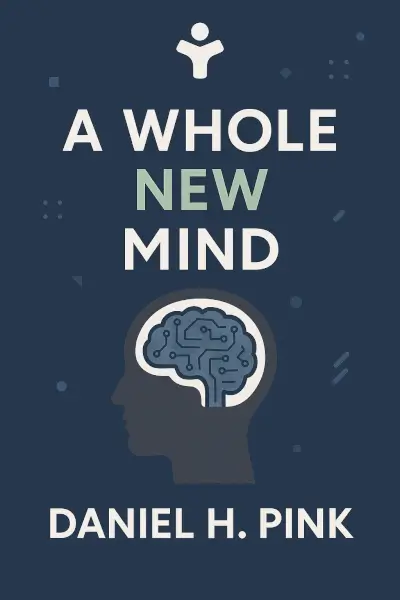
A Whole New Mind: Why Right-Brainers Will Rule the Future
Ready to Take Action?
Get the Mentorist app and turn insights like these into daily habits.