Why Integrating Left-Brain Logic and Right-Brain Emotion Beats Just Reasoning or Comforting
You’ve likely stood in your child’s doorway at bedtime, met with tears over a forgotten note or a birthday too far away. Tempted to jump in with common sense ('You know I love you, and your birthday will come again'), you pause and instead give a comforting squeeze, listening as your child pours out all the small injustices of a long day.
This little act—choosing connection first—does something remarkable. Slowly, the urgency in their voice fades. They start to untangle what’s really bugging them, maybe the feeling of being overshadowed by a sibling or overwhelmed by homework. That’s your cue to invite their thinking brain to the party: You talk about ways you might fix tomorrow’s challenges, or promise to leave that nightly note after all.
Neuroscience backs this up: the left brain likes logic and order, while the right brain handles emotions and nonverbal cues. Only when both sides are engaged can your child truly process what’s happening. Skipping the emotional step leaves your ideas falling flat. But when you intentionally integrate both, you teach your child they’re heard, understood, and capable of tackling life’s hurdles with their whole mind.
When tonight’s upset threatens to spiral, reach out first for a wordless connection—a gentle hug, a shoulder pat, a soft 'that sounds tough.' Wait for the calm, then bring your child’s logical mind on board by helping them name what happened, talk through solutions, or make a plan for tomorrow. Encourage storytelling that weaves together their emotions and the facts, turning even tough situations into memorable lessons. Try this 'connect then redirect' rhythm, and watch your conversations become easier—including when it’s you who feels flooded.
What You'll Achieve
Your relationships will deepen as everyone feels seen and understood, not just managed or instructed. Children (and adults) will more quickly find calm, learn effective problem-solving, and develop a lasting sense of self-worth and trust in communication.
Balance Words, Feelings, and Actions in Every Interaction
Connect to your child’s emotional state before problem-solving.
When big emotions hit, avoid launching straight into lectures or logic. Use gentle touch, reflective statements, or shared silence to show you care about how your child feels.
After emotional connection, bring in left-brain language and plans.
Once your child feels heard and seen, introduce reasoning, setting limits, and making a plan together. Logic is more effective when the emotional brain is calm.
Use storytelling to bring both sides together.
Invite your child to help retell what happened—using feelings and facts—to make meaning from tough moments. This builds their capacity for future balance.
Reflection Questions
- When have you tried logic before connecting emotionally, and how did it turn out?
- How often do you pause to tune in to feelings before giving advice?
- What changes in your home when storytelling becomes a way to heal tough moments?
- Where in your own life do you need to balance fact and feeling more often?
Personalization Tips
- When a teenager is upset about a bad grade, start by validating their frustration before discussing study strategies for next time.
- During a playground conflict, sit with your child and acknowledge their hurt before moving to apologies or resolutions.
- If your partner is upset, listen closely and reflect their feelings before offering solutions.
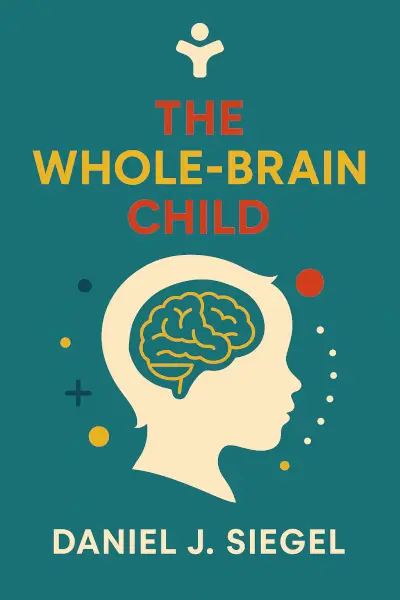
The Whole-Brain Child: Revolutionary Strategies to Nurture Your Child's Developing Mind
Ready to Take Action?
Get the Mentorist app and turn insights like these into daily habits.