Teach Autonomy Early by Letting Kids Play Alone Without Guilt or Over-Supervision
Many parents or teachers feel pressure to constantly entertain, direct, or supervise children—believing that boredom is a problem to be fixed or that learning is best when tightly managed. Yet research and real-world observation show that kids flourish when given the opportunity to play alone, invent their own games, and manage their social world without adult interference. In cultures where caregivers permit and value such time, children develop inner resources: problem-solving, imagination, and emotional resilience. Caregivers who hold back—not intervening when a child is happily immersed in blocks or drawing—are actually helping, not neglecting. Neuroscientists and developmental psychologists point to the value of 'autonomy support': when adults believe in a child’s capacity for independent play, children internalize confidence and self-regulation that last for years.
Today, create a space where your child can play quietly on their own, and resist the urge to jump in at the first sign of boredom or conflict. Let them know you expect and trust them to figure things out, stepping in with encouragement instead of solutions. With practice, you’ll see sparks of creativity and a calmer, more self-assured child.
What You'll Achieve
Foster independence, creativity, and emotional stability in children or team members. Internally, adults learn to let go of anxiety and trust in the other’s capacity.
Encourage Independent Play and Respect Solitude
Give your child stretches of time to play without adult direction.
Set up a safe space, provide a few open-ended toys or art supplies, and step back—resisting the urge to intervene or correct.
Express confidence in their ability to entertain themselves.
Say things like 'I trust you to play on your own,' so your child knows solitude isn’t a punishment but a skill.
Resist jumping in to solve boredom.
If your child complains of being bored, offer empathy and suggest possibilities, but don’t rescue them instantly.
Reflection Questions
- How often do I step in when my child is playing alone?
- Do I see boredom as a problem or an opportunity?
- When did I last let someone figure something out for themselves—and how did it turn out?
- What might my child gain from more unsupervised play?
Personalization Tips
- At work: Let colleagues tackle projects independently before offering support.
- For teenagers: Give them privacy and chances to make their own leisure plans.
- In relationships: Value alone time for each partner’s hobbies or relaxation.
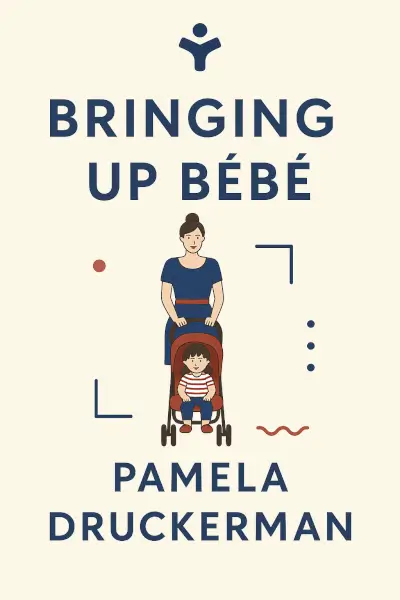
Bringing Up Bébé: One American Mother Discovers the Wisdom of French Parenting
Ready to Take Action?
Get the Mentorist app and turn insights like these into daily habits.