Attachment Styles: The Hidden Scripts Shaping Every Relationship You Have
You sit in the quiet corner of your room, scrolling through a short questionnaire your friend texted you: 'How do you feel when your partner doesn’t call back right away? Do you find yourself needing distance when things get too close?' It almost feels silly at first—after all, you’re just answering checkboxes about relationships. But after tallying the results, the words startle you: 'Anxious attachment.' Suddenly, pieces click into place. That recurring pit in your stomach, the late-night overthinking, the clinging—or, if your tally lands on 'avoidant,' maybe it’s the urge to run, to find fault, to long for someone just out of reach.
You remember how each style is like a different pair of glasses, coloring everything you see and do: anxious folks watch for danger, avoidants tighten armor, secures move through life expecting warmth. The descriptions sting—and comfort. No, it isn’t all your fault; yes, there’s a logic behind the chaos. You flip through memories from the last year: Anxiety when a partner’s reply comes late, withdrawal after a tense meeting, a calm day sharing problems with a friend and not worrying if it’s 'too much.' You recognize that these scripts aren’t random.
Knowing your style doesn’t box you in—it’s a key to better choices. Now, the next time your emotions spike or you feel yourself pulling away, you’ll know it’s the old script re-surfacing, not an unchangeable truth.
Take five minutes to answer a reputable attachment style questionnaire online, being radically honest with yourself. When you see your scores, don’t gloss over the discomfort—read carefully the summary for your top result and actually write a few stories from your own life that match (or challenge) what you see. Real clarity comes from facing your relational patterns head-on, so use this as a jumping-off point to spot your triggers and growth areas. Go on—grab a journal and do it tonight.
What You'll Achieve
Gain self-awareness of ingrained relational patterns, enabling conscious shifts that lead to calmer, more intentional relationship decisions and better emotional regulation.
Identify and Map Your Attachment Style Right Now
Answer an attachment style questionnaire.
Find a free, scientifically validated quiz (e.g., brief ECR, Experiences in Close Relationships) and answer honestly about feelings and reactions in romantic scenarios.
Tally results and read each style summary.
Count your answers to see if you lean anxious, secure, or avoidant. Carefully read the traits and core fears associated with your highest scores, noting what resonates and where you disagree.
Reflect and journal vivid recent examples.
For your top-scoring style, write 2–3 detailed examples from your last year (dating, friendship, work) where you acted 'in character.' Notice triggers and outcomes.
Reflection Questions
- Did the quiz outcome surprise you, or did you sense it coming?
- How do past relationship misunderstandings make more sense in this new light?
- When are you most tempted to act out your style under stress?
- Which parts of your style are you proud of, and which would you like to shift?
Personalization Tips
- A high schooler recognizes their tendency to worry if friends like them back and makes a note to explore why.
- A manager finds they rarely let their team know about personal struggles and asks themselves if avoidant tendencies block their growth.
- A new parent realizes they trust their co-parent to step in, matching secure style, so they give more responsibility without hovering.
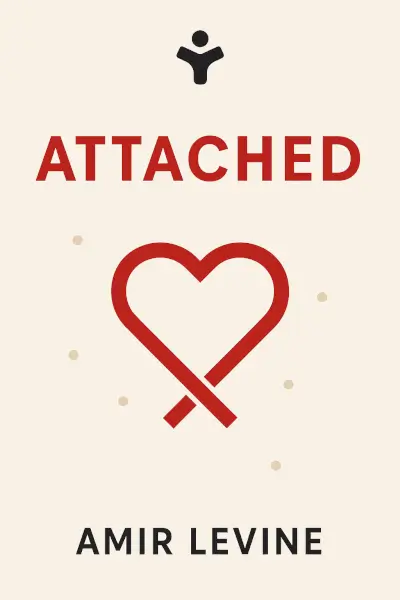
Attached: The New Science of Adult Attachment and How It Can Help You Find—and Keep—Love
Ready to Take Action?
Get the Mentorist app and turn insights like these into daily habits.