Why Real Freedom Means Daring to Be Disliked—The Perils of People-Pleasing
There’s a pulse in your chest, barely noticed until the moment comes—a friend makes a plan you disagree with, a coworker proposes an approach you think is wrong, your family assumes you’ll go along to keep harmony. Every time, you bite your tongue, fearing the ripple of conflict or, worse, rejection. Over time, the pattern exhausts you. You wonder: Who is living your life—yourself or the collective gaze of others?
The discomfort of being disliked is real, and everyone wants to avoid it. But you start to suspect that by always pleasing others, you’re trading away the freedom to be yourself. You remember the one time you spoke up, feeling your heart pound. Not everyone agreed, but a surprising thing happened: you gained respect, not just from those who agreed, but even from some who didn’t. The echo of that courage lingers.
Behavioral science suggests that boundary-setting and honest self-expression are central to long-term mental health. 'The courage to be disliked' isn’t about seeking conflict or notoriety—it’s about living in harmony with your principles, accepting that not everyone will approve, and valuing your own self-respect over fleeting popularity.
Next time you feel yourself hiding your real thoughts or wants to placate others, pause and remember past moments when that led to dissatisfaction. Recognize that your well-being matters, and that some discomfort—other’s disappointment, a raised eyebrow—is the normal price of freedom. In a small, safe context, practice expressing your view or boundary with respect, and brace yourself for possible disagreement without backing down. Let yourself feel the emotion and witness the outcome without retreating. Every time you do this, you build the muscle of integrity and lay claim to your own life.
What You'll Achieve
You’ll develop the courage to honor your true self, leading to stronger integrity, realer relationships, and less anxiety about others' opinions.
Embrace the Cost of Authentic Freedom
Recall a time you suppressed your opinion or desire to keep peace.
Bring to mind an incident where you stayed silent or went along with others to avoid being disliked.
List three ways this avoidance limited your own satisfaction or growth.
Note any missed opportunities, frustration, or lingering resentment.
Choose one upcoming situation to express your honest perspective.
It can be as simple as sharing a preference or respectfully disagreeing; start with low-stakes contexts.
Accept that being disliked is sometimes the price of integrity.
Reflect that real freedom means choosing your actions based on your values, not others’ approval; rehearse accepting discomfort if it occurs.
Reflection Questions
- When have you held back your opinion unnecessarily?
- What have you sacrificed for approval in the past?
- How could small acts of honesty change your sense of agency?
- What discomforts are you willing to bear for genuine freedom?
Personalization Tips
- In a group project, a student proposes their genuine idea instead of just agreeing.
- A family member politely sets a boundary about weekend plans, knowing not everyone will be happy.
- A young professional raises a concern at work rather than nodding along.
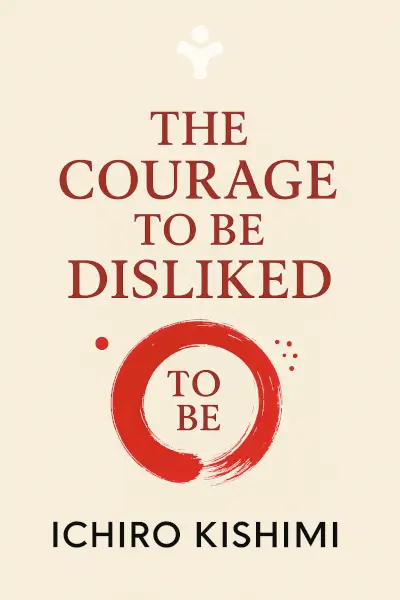
The Courage to Be Disliked: How to Free Yourself, Change your Life and Achieve Real Happiness
Ready to Take Action?
Get the Mentorist app and turn insights like these into daily habits.