All Problems Are Relationship Problems—How Community Feeling Transforms Isolation into Belonging
Behind every complaint—whether it’s about work pressures, family drama, or self-doubt—lurks the hidden thread of relationships. Adler argued that even internal woes mask social anxieties: fears of rejection, loneliness, or not being ‘enough’ in groups. Think back to the last conflict you had. Strip away the details, and often the pain came from feeling left out, misunderstood, or devalued by others.
The flip side is equally powerful: when people start to see others as comrades rather than competitors, the struggle for recognition fades. Take a student who feels like an outsider—when encouraged to offer study help to others, their sense of isolation lifts. New research in social psychology reinforces this: belonging and contribution reliably predict emotional health more than achievement or rank.
Shifting your focus from ‘how am I seen?’ to ‘how can I be of use?’ isn’t just altruism. It’s an evidence-based route to community feeling—a grounded sense of belonging that doesn’t rely on comparisons or approval, but on shared action and support.
When you catch your mind spinning over a relationship problem—feeling ignored, criticized, or outpaced by others—pause to ask how much of this pain is about your connection to people rather than some objective issue. Pick a place where you feel judged or in competition; instead of retreating, plan one small act of service for that group. Whether that means helping a classmate, asking a teammate what they need, or brightening a family dinner, focus on contribution over comparison. Track how this changes your feelings of belonging and your perspective on what matters most.
What You'll Achieve
You’ll quickly break cycles of loneliness or competitiveness, building strong relationships and a grounded sense of being valued—directly counteracting self-focus or isolation.
Switch From Self-Centered Focus to Community Contribution
Reflect on your biggest current source of stress.
Ask whether this issue would matter if you had no social ties or expectations—would it exist outside of other people?
Identify one area where you compare yourself or feel judged.
Notice patterns of resentment, competition, or worry rooted in relationships (peers, family, work).
Plan a small act to help someone else in your group or community.
Choose a meaningful but simple action—listening, offering help, sharing knowledge—that shifts perspective from self to others.
Reflection Questions
- What current worries vanish if you remove other people from the picture?
- Where do you compare yourself most, and how could you reframe this as opportunity for contribution?
- What’s a simple group action you could take this week to foster belonging?
- How does helping others affect your sense of self-worth?
Personalization Tips
- Students who feel excluded at school can reach out to help classmates with homework, building a sense of belonging through contribution.
- Workers frustrated by office politics may volunteer for a cross-team project rather than focus on status games.
- Family members feeling distant can initiate a meal or shared activity, deliberately focusing on others' needs.
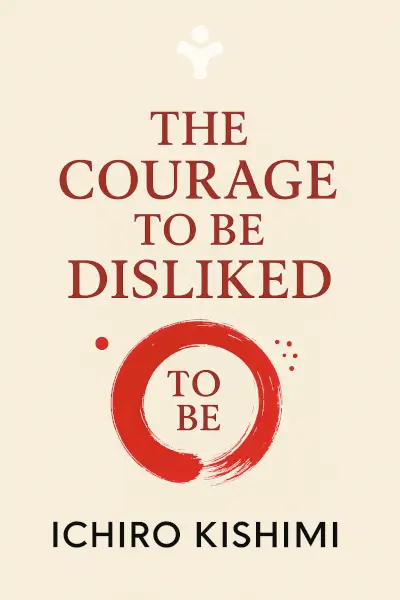
The Courage to Be Disliked: How to Free Yourself, Change your Life and Achieve Real Happiness
Ready to Take Action?
Get the Mentorist app and turn insights like these into daily habits.