Why Letting Go of Your Past Frees You to Change Instantly
You’re sitting at your kitchen table, coffee cooling next to your phone, replaying the memory of a high school teacher dismissing your ideas. Years have gone by, but part of you blames every hesitation—at work, with friends, even in simple choices like speaking up at dinner—on that single memory. For years, that story’s been your shield and excuse. Not consciously, maybe, but it feels safer than risking rejection. When asked what might happen if you let it go, you bristle. Isn’t your past the root of your present? Isn’t that just common sense?
But the feeling lingers: maybe this story isn’t just describing your life, but quietly shaping it. If you stop telling yourself “I am this way because I was hurt,” what comes next? You write down, 'The story I use is I am too sensitive because I was rejected.' You notice it gives you a reason to avoid new risks—and a ready-made defense if you fail. That realization stings, almost like betrayal.
By midday, you make a different plan: offer one idea in your group chat or class, replacing the old explanation with “Today, I want to contribute, not protect myself.” It’s awkward. Your voice wavers and nobody claps, but no one laughs either. Later, washing dishes, you realize your anxiety was real—but so was the small relief that followed action, not the old excuse. The scientific core here reflects Adler’s idea of teleology: you are shaped by your goals, not your wounds, and you can rewrite what you aim for right now.
Set down that old narrative you’ve been carrying—the one about why you can’t change because of your past. Instead, write it out and ask what comfort, shield, or escape it brings you. Beneath the story, is there a hidden benefit to not changing? Once you see that, choose a new, present-focused goal—even something tiny like sharing one honest thought in conversation. Finally, act on this new story, however small the step. Notice how it feels to choose boldly in the present, not as a product of the past. Try it tonight, even if your voice shakes.
What You'll Achieve
You’ll learn how to break the invisible chains of self-blame and hesitation rooted in the past, experiencing instant freedom to act differently. This leads to greater confidence, ability to initiate change regardless of history, and stronger trust in your own capacity for growth.
Break the Cause-and-Effect Chain of Your History
Identify a story from your past you believe explains your struggles.
Write down a belief like 'I can't succeed because my parents criticized me.' Be specific: when do you tell yourself this story?
Ask yourself what you gain by holding onto this belief.
Reflect honestly: does this narrative let you avoid risk, sympathy, or difficult change? Write out the hidden benefits.
Replace the story with a new present-focused goal.
Instead of explaining yourself through the past, decide what small positive change you'd like to pursue now—no matter how uncomfortable. State it clearly.
Test your new story in real life.
Take one action, however minor, that aligns with your new goal, and notice how it feels to act without blaming your history.
Reflection Questions
- What belief about your past explains your recent choices or hesitations?
- In what ways have you benefited—security, sympathy, avoidance—from maintaining this narrative?
- How does acting from a present goal instead of an old cause feel emotionally?
- If you weren’t defined by your past, what would you try next?
Personalization Tips
- Instead of saying, 'I can’t speak up in meetings because I was teased as a child,' choose the goal of expressing one opinion today and see how it feels.
- If you avoid dating due to past heartbreak, reframe your goal for the present as making one new social connection this month, regardless of past outcomes.
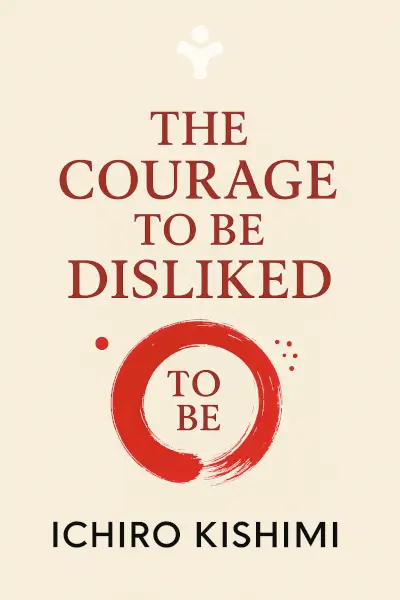
The Courage to Be Disliked: How to Free Yourself, Change your Life and Achieve Real Happiness
Ready to Take Action?
Get the Mentorist app and turn insights like these into daily habits.