Vulnerability as Strength: Sharing Your Story to Rebuild Connection and Identity
For years, Roxane Gay was silent. She carried the burden of trauma, shame, and self-judgment—telling no one, convinced that speaking would only deepen her wounds or draw unwanted pity. When she finally began to write about her experiences, she did so with hesitation, choosing what details to reveal and to whom, always wary of the emotional costs. But in sharing, Gay discovered not just personal release, but the power of community: her words resonated with thousands, connecting her to people with similar silent burdens.
The process wasn’t easy or straightforward. Disclosure brought vulnerability: fear of being seen only through the lens of pain, worry about being reduced to 'the worst thing' that ever happened, and concern that family or loved ones would view her differently. Nonetheless, by reclaiming her narrative and selectively inviting others into her truth, Gay found a kind of strength not in 'moving on,' but in being witnessed, joined, and less alone.
Research echoes Gay’s experience. Self-disclosure, when chosen and controlled by the storyteller, leads to greater self-acceptance, more meaningful relationships, and even physiological benefits like reduced stress. Telling one’s truth (however gently, however much) is not about performance or confession, but about shaping one’s own identity and building the possibility of being truly seen.
Give yourself permission to think about the experiences or struggles you usually keep locked away—considering, just in private, how sharing them might change relationships or free some part of yourself. Pick a person or place where you feel safe enough to say a little of your truth, and decide in advance how much you’ll reveal, and what you want from the exchange. Afterwards, check in with yourself about what felt different, where discomfort lingered, and what new seeds of understanding or connection might have been planted, even if quietly at first. Your vulnerability is your strength—not all at once, but in the moments you choose.
What You'll Achieve
Increase self-acceptance and confidence, reduce feelings of isolation, and foster richer, more authentic relationships by sharing your story in safe and empowering ways.
Use Selective Vulnerability to Create Safe Understanding
Decide what you want to share, and why.
Consider an experience or struggle you usually hide (body image, trauma, shame) and clarify for yourself what (if anything) you hope sharing it might accomplish—connection, healing, reducing stigma.
Choose a safe, supportive space.
Select one person or group (friend, therapist, support forum) you trust to hold your story gently. Decide on how much and what detail you feel comfortable disclosing.
Reflect on the impact.
After sharing, write about or talk through how the experience felt—what shifted, what stayed the same, whether you feel lighter, more connected, or more settled.
Reflection Questions
- What’s one part of my story I wish others understood, and why?
- How might sharing my story (even partially) bring relief or connection?
- Who do I trust to hold space for my truth?
- How will I care for myself if sharing feels hard or triggering?
Personalization Tips
- A survivor of bullying tells a close friend about the ongoing impact, leading to a stronger bond.
- Someone living with disordered eating begins therapy and shares their story for the first time.
- A teen writes about her feelings in an anonymous online group, realizing she isn’t as alone as she feared.
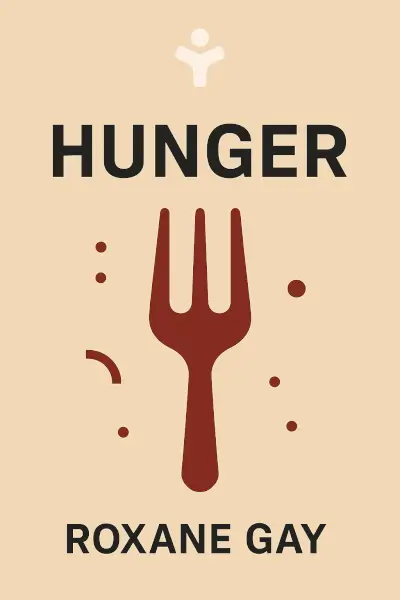
Hunger: A Memoir of (My) Body
Ready to Take Action?
Get the Mentorist app and turn insights like these into daily habits.