The Paradox of Disciplining the Body: Why Control Often Leads to More Chaos
Cultures obsessed with control often reward rigid self-discipline: perfect eating, daily exercise, constant monitoring. But paradoxically, research shows that the more tightly people try to control their behaviors through punishment and all-or-nothing standards, the more likely they are to rebel, lose motivation, and end up cycling between extremes. This is known as the 'ironic process'—thinking about strict rules only increases their mental salience, making them harder to maintain and stirring resentment or self-criticism when (inevitably) broken.
Classic behavior change science instead emphasizes respectful self-regulation and recognizing intrinsic motivation. Habits are shaped not by willpower alone but by the cues, environments, and meanings attached to daily actions. When rules are based on shame or self-doubt, they rarely last. When guidelines focus on respect, compassion, and sustainable routines, change becomes more possible—and much more pleasant.
Shifting the mindset from control to care, from self-punishment to self-nourishment, unlocks smoother, steadier progress and helps break the cycle of guilt, exhaustion, and defeat.
Start by clearly naming your harshest, least flexible expectations about your body, eating, or movement. Reflect honestly—do these edicts make you feel stronger or more relaxed in the long run, or just trapped? Pick one and rework it as a guideline that respects your needs and joy, not just discipline. Then, test your new guideline all week, tracking how much lighter or heavier it makes you feel. Most real change starts not with force, but with the permission to live as you are. Try this experiment and notice what shifts.
What You'll Achieve
Replace harsh, unsuccessful control attempts with sustainable habits based on respect, resulting in improved motivation, reduced shame, and lasting well-being.
Set New Habits by Focusing on Respect Over Rigid Rules
Identify your most rigid self-imposed rules.
Write out your non-negotiable rules around eating, exercise, or appearance—the ones you enforce harshly or never allow yourself to break.
Reflect on results and consequences.
For each rule, reflect: Has it made your life easier, healthier, or happier in the long run? List any negative effects—stress, cycles of rebellion, shame.
Replace one rule with a respectful guideline.
Transform one 'must/should/never' into a flexible guideline based on respect: e.g., 'I move my body to feel strong, not to punish myself.' Try following it for a week.
Reflection Questions
- Which rules about my body actually help me, and which harm me?
- What would it look like to respect, rather than fight, my needs?
- How does my energy or mood change when I allow more flexibility?
- What’s one gentle habit I could try this week?
Personalization Tips
- A runner revises 'I must run 5 miles daily' to 'I’ll move each day in ways that energize my mood.'
- A student swaps 'No snacks ever' with 'I’ll pause and check if I’m truly hungry before eating.'
- A teacher goes from 'Never buy new clothes until losing weight' to 'I deserve to look good now, at any size.'
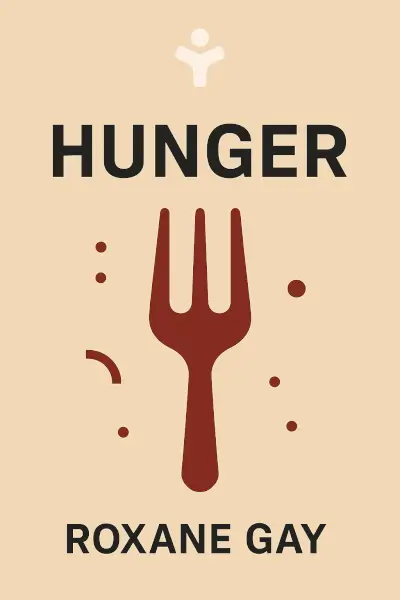
Hunger: A Memoir of (My) Body
Ready to Take Action?
Get the Mentorist app and turn insights like these into daily habits.