Unlearning The “Normal Body” Myth: Why BMI Measures and Labels Often Miss the Mark
For over a century, Western medicine and culture have debated what a 'normal' body should look like. Tools like Body Mass Index (BMI) were invented not as strict health guides, but as statistical averages over populations. The BMI formula—weight in kilograms divided by height in meters squared—hardly takes into account muscle, bone, or context. In 1998, a significant change lowered the threshold for ‘normal’, instantly classifying millions more as overweight. The rationale? Using a round number that’s easier to remember—but not necessarily more accurate or meaningful.
Words like 'obese' or 'morbidly obese' are loaded, implying blame or inevitability. They don’t account for diverse genetics, backgrounds, or what actually makes an individual healthy. Health is about more than numbers—energy, mobility, mood, sleep, social connection, and access all play a crucial role and are poorly measured by rigid labels.
Increasingly, public health experts and patient advocacy groups argue that focusing solely on weight oversimplifies complex realities. Movements like Health At Every Size suggest shifting the conversation from arbitrary measures to evidence-based, individualized care that values diversity in body shapes and sizes. When you learn to see the history and flaws in these measures, you’re more likely to pursue health in a holistic and sustainable way, on your own terms.
This week, spend a little time looking up how the common labels about your body are calculated and where they come from—notice any arbitrary cutoffs or limitations in their logic. Then, jot down your personal definition of health, listing qualities that matter most for your actual day-to-day living. Finally, pick one idea you typically accept about health, size, or 'normalcy' and discuss it—honestly and openly—with someone who can challenge or support your thinking. Planting even a seed of doubt can open doorways to healthier, more compassionate perspectives.
What You'll Achieve
Gain factual literacy about health frameworks, develop independence in self-assessment, and move toward more personalized well-being goals free from shame-based logic.
Interrogate the Frameworks Defining Health and Normalcy
Research the origin of health labels.
Look up how terms like 'BMI,' 'obese,' or 'overweight' are defined and why cut-off points were chosen. Note historical changes or controversies.
List what health means to you personally.
Outside of numbers, describe the qualities that signal good health or well-being in your own life: movement, energy, relationships, mood, etc.
Challenge one assumption this week.
Pick one cultural or medical standard you usually accept without question. Talk to someone you trust about its accuracy or relevance to your life.
Reflection Questions
- What does 'healthy' mean to me—beyond a number or label?
- Where do my beliefs about body size and health come from?
- What would change if I let go of one rigid definition or standard?
- How could I support others in broadening their view of health?
Personalization Tips
- A student compares BMI charts to family medical history and realizes thin does not always equal healthy for everyone.
- A workplace team expands its wellness challenge to include sleep and social connection, not just weight.
- A runner focuses on stress management metrics and energy, setting aside the scale for a month.
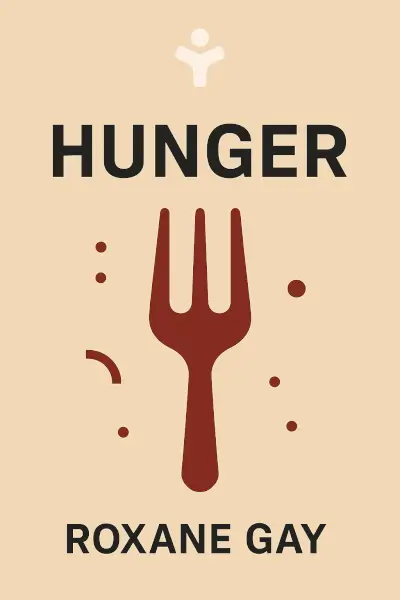
Hunger: A Memoir of (My) Body
Ready to Take Action?
Get the Mentorist app and turn insights like these into daily habits.