Body Image as Public Record: Challenging Stories Others Write About You
From playgrounds to workplaces, family gatherings to social media, bodies are scanned, judged, and discussed—often without consent or accuracy. For anyone whose appearance challenges the dominant narrative of what's 'ideal,' this means living in a world that assigns meaning and value before a word is even spoken.
Fatness, especially, is treated as public property—debated, stigmatized, and pathologized. Others write stories about you: lazy, unhealthy, stubborn, undisciplined. This labeling gets reinforced by doctors, commentators, and even well-intended friends or loved ones who think they're being helpful. Over time, these stories can feel so persistent that it's hard not to internalize them, weighing self-worth against someone else’s account.
But here’s the radical truth: nobody is entitled to define your narrative but you. The science of self-perception shows that the stories you hold about yourself dramatically shape your health outcomes, resilience, and well-being far more than the labels imposed by society. To counteract external scripts, consciously naming—and rehearsing—your own reality builds internal strength and clarity.
Over time, rewriting the narrative, even privately at first, is an act of resistance against a culture that prefers single stories and simple explanations. Owning and voicing your experience, on your terms, is a step toward real agency.
Take a moment to reflect on the voices and opinions that echo in your mind—maybe a neighbor’s comment about your size, a relative’s joke, or the way strangers react when you show up. Jot them down, then for each, answer with your honest experience: what’s really true for you, not what others assume? As you step into public or encounter new situations, remind yourself of just one of these self-affirming truths. This isn’t about denying difficulty but about claiming your story as yours to tell, again and again, until it feels stronger than the outside noise.
What You'll Achieve
Shift power away from external judgments toward defining your own self-image, develop psychological resilience against criticism, improve confidence in settings that trigger self-doubt or shame.
Debunk the Narratives Imposed on Your Body
List outside opinions about your body.
Write down the comments, labels, or assumptions you regularly hear or notice others making about your appearance, abilities, or health.
Identify your own story.
For each outside narrative, write your own version: what’s the reality of your experience, strength, or challenge? Be honest and include both difficulties and positives.
Rehearse one self-affirming truth.
Choose a single statement about your body’s reality or value that feels authentic to you. Practice saying it to yourself before, during, or after entering places where judgment is likely.
Reflection Questions
- Which outside narratives about my body have I internalized, and why?
- How would I describe my story if no one else could comment?
- What would it be like to defend my own perspective—first inwardly, then maybe out loud?
- Who in my life supports my true narrative, and how can I strengthen that connection?
Personalization Tips
- A teen athlete often called 'too bulky' reframes her power as an asset that lets her excel in her sport.
- A commuter who dreads seat stares on the train chooses to remind himself, 'My body allows me to show up and work hard every day.'
- A new parent tunes out relatives’ weight comments and affirms, 'My body just nurtured a new life.'
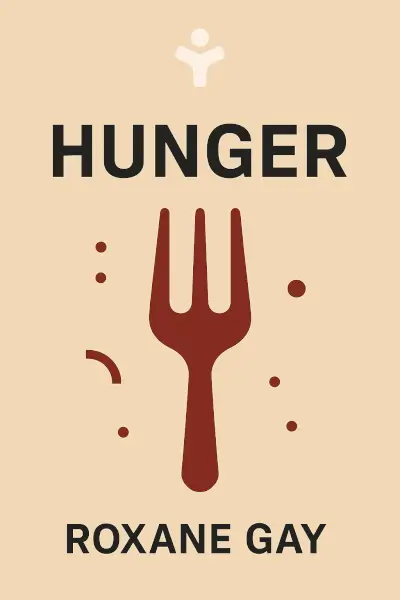
Hunger: A Memoir of (My) Body
Ready to Take Action?
Get the Mentorist app and turn insights like these into daily habits.