When Psychopaths Rise to Power—Why Emotional Blindness Can Change Entire Communities
In a small Mississippi town, life changes overnight when Sunbeam’s new CEO, widely touted as a turnaround specialist, arrives and promptly shuts down the local plant. For decades, workers had built toasters and a community, but the company’s focus shifts to profit and efficiency, with little acknowledgment of the human toll. Factory floors that once buzzed with energy now stand silent. The share price soars, Wall Street analysts cheer, but in the wake, shops shutter, families scatter, and old friends gather in abandoned restaurants to lament what was lost.
People remember the CEO’s interviews—never a word about the workers, only numbers and bold vision. In boardrooms and headlines, the story is spun as progress, and the pain fades from the wider narrative. Local leaders struggle to fill the gap left behind. The CEO, praised for his results, moves on to other ventures.
Economic psychology and leadership research show that emotionally blind decision-making at the top can change the trajectory for thousands, even millions, with no sign of remorse or guilt. This pattern appears in business, politics, and even close relationships: when those with emotional detachment wield power, the human costs risk being erased from the story—unless someone chooses to see, speak up, and act on empathy.
When you see a major decision affecting your school, workplace, or local community, pay attention to whether those in charge show understanding and care for those impacted, or whether they focus only on numbers and quick wins. Start noting patterns: if they routinely dismiss concerns or emotional feedback, this could be a sign of dangerous detachment. Challenge yourself to speak up, draw attention to the human dimension, or advocate for changes that center people, not just statistics. Practice connecting individual stories to bigger decisions, and see what kind of difference that awareness can make.
What You'll Achieve
Develop the skills to recognize emotionally detached leadership, articulate human impacts of major decisions, and influence change by highlighting the value of empathy in organizations and communities.
Spot Emotional Blindness in High-Impact Decision Makers
Observe leaders' responses to others’ emotions.
Notice whether they acknowledge, downplay, or ignore colleagues’ or communities’ pain or concerns.
Look for patterns of empathy vs. detachment.
Are the decision-makers more interested in outcomes than in how those outcomes affect people emotionally—especially when harm is caused?
Connect human costs to systemic decisions.
Reflect on and document how emotionally detached policies or corporate actions ripple out to affect individuals, families, or whole towns.
Reflection Questions
- Have you seen a leader ignore the emotional toll of a big change?
- What happens to trust in teams or communities when empathy is missing at the top?
- How can you help make human experiences visible in decision-making processes?
- How would your own leadership style be shaped by greater empathy?
Personalization Tips
- A student council president makes unpopular changes without addressing classmates’ anxiety, then finds trust eroding.
- A business owner makes layoffs without acknowledging employees’ hardship, only to face backlash and decreased morale.
- A family member ignores emotional fallout from a big decision, causing rifts that could have been avoided with open conversation.
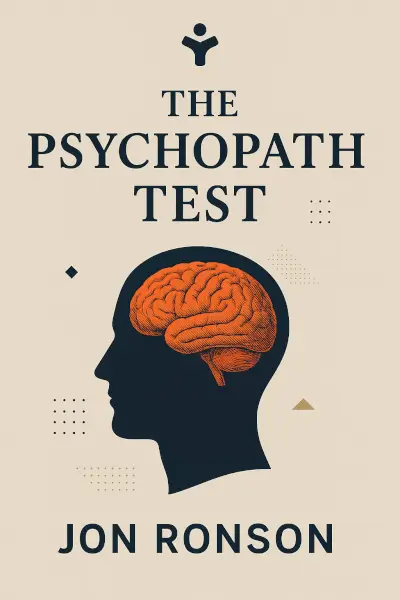
The Psychopath Test: A Journey Through the Madness Industry
Ready to Take Action?
Get the Mentorist app and turn insights like these into daily habits.