Jumping to Conclusions: How Your Brain Simplifies Life but Creates Costly Mistakes
A team of students was assigned a science fair project with a tight deadline. When the group met, everyone quickly agreed to follow the boldest student’s idea because she spoke first and sounded confident. It felt efficient—no need to argue when someone seems to know exactly what should be done. But after investing days of work, the group hit a snag: the experiment didn’t work, and they were back at square one. Only then did someone suggest going over each team member’s original notes, and it turned out several others had thought of potential flaws or even better designs, but felt it was too late to speak up. The group realized they’d jumped straight to conclusions, letting their minds settle for the most available answer—or the suggestion that triggered the greatest confidence.
In another situation, a hiring manager interviewed a well-dressed, charismatic applicant. Within moments, she felt an instinctive 'good feeling' about him. Yet, in the rush to act on that impression, she missed key warning signs in the resume and overlooked weak references.
These are classic cases of how System 1, your brain’s fast, pattern-seeking system, takes whatever information is most available and spins it into a story that feels convincing and complete—even when critical evidence is missing. Recognizing the tendency to settle for coherence over completeness is the first move toward smarter, fairer decisions.
Every decision—especially in groups or under uncertainty—offers you a choice: will you trust your first impression, or will you dig deeper? Try pausing when you’re sure you know what’s going on, and ask what information might be missing. Make a game of finding at least one reason your preferred answer could be wrong. If you’re working with others, encourage everyone to record their thoughts in private before sharing, so the most convincing voice doesn’t bias the discussion. These small steps make space for new perspectives and help prevent preventable mistakes. Start with your next group assignment or during a family debate—practice until it feels second nature.
What You'll Achieve
Reduce costly mistakes caused by overconfidence, improve group outcomes, and make more thorough, fact-based decisions while maintaining flexibility of mind.
Challenge First Impressions with Simple Deliberate Checks
Pause and ask 'What am I not seeing?'
Before deciding or forming a strong opinion, ask yourself what information could be missing or what alternative explanations there might be.
Actively look for evidence that would disprove your view.
Make it a game: can you find one fact or argument that points to a different answer than your instinct?
Decorrelate your sources of judgment.
If you’re in a group, have everyone make independent notes before discussing a problem to avoid being swayed by the first confident voice.
Reflection Questions
- How often do I trust first impressions over missing data?
- In what situations do I feel pressure to decide quickly?
- What practices can help me remember to pause for hidden facts?
- How does hearing other perspectives reveal gaps in my thinking?
Personalization Tips
- Before voting for school council, ask for each candidate’s resume, not just your initial impression from their speech.
- When choosing which news story to believe, look for information from both sides before making up your mind.
- In group projects, have each member jot down solutions or risks separately before talking as a group.
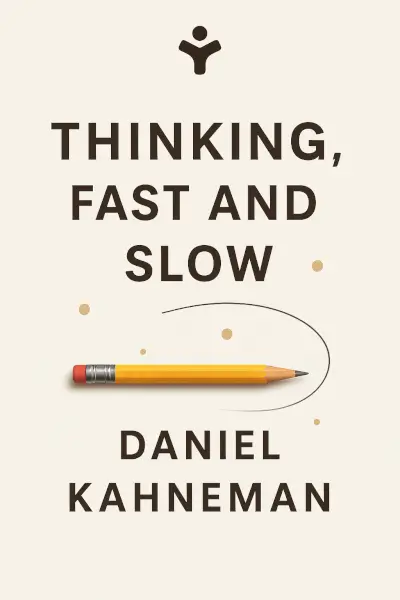
Thinking, Fast and Slow
Ready to Take Action?
Get the Mentorist app and turn insights like these into daily habits.