The Lazy Side of Your Mind: Why Self-Control is So Hard—and How to Boost It
Mental energy is a limited resource, and self-control borrows from the same pool as focused thinking. Humans like to think they’re rational and in control, but when their mind is busy or tired, self-discipline can vanish. A judge making parole decisions at the end of a long shift gets much stricter. A student pulling an all-nighter is more likely to choose junk food over fruit or snap at a friend for no reason. Research even shows your brain literally uses up glucose—the same fuel your muscles need. Small drains on self-control accumulate, whether it’s resisting dessert, staying polite, or holding several numbers in your head at once.
Surprisingly, self-control is less about willpower and more about respecting your energy limits. Taking meaningful breaks to rest and refuel actually makes you stronger, not weaker. It’s not about 'toughing it out,' but about planning to succeed when your mind is freshest. Recognizing when you’re depleted can keep you from making uncharacteristic mistakes or saying yes to the wrong things. The trick is to use your strongest brain moments for the toughest work.
Self-control isn’t an endless resource, so don’t be ashamed to take breaks before you collapse. Set up quick reminders so you don’t get lost in your work for hours—use alarms or post-it notes to pause, grab a snack, stretch, or just zone out for a bit. Notice if you start feeling cranky or impulsive, and don’t push through hard decisions or chores when you’re drained—try again after a walk or lunch. Stack your schedule so the big, important stuff comes first, when your mind is fresh. Build these small rituals into your day for a week, and watch how much smoother your projects, relationships, and even your self-respect become.
What You'll Achieve
Maintain steady energy and discipline throughout the day, make fewer impulsive decisions, and feel less guilty or frustrated about lapses in self-control.
Build Sustainable Self-Control with Smart Mental Breaks
Set reminders to take breaks during focused work.
Self-control and focus are both 'expensive' for your mind. If you’re working, studying, or holding back from temptation, set alarms to pause, stretch, or have a snack.
Monitor signs of mental fatigue and address them early.
Notice when you start craving sweets, feeling impatient, or making snap decisions—these are signs of depleting self-control. If you’re tired, choose to handle important tasks after a rest or meal.
Prioritize challenging tasks when you’re mentally fresh.
Schedule the hardest work for times when you haven’t already used up your willpower (like early in the morning or after breaks).
Reflection Questions
- When am I most likely to lose my self-control or focus?
- How does my body feel when my mind is tired?
- What rituals or reminders keep me energized?
- Does taking a real break help me work better afterward?
Personalization Tips
- Do test prep or essay writing before tackling easier homework, not after it.
- If you're on a diet, don't try to resist temptations after a long day or during late-night study sessions.
- Schedule difficult conversations or meetings for early in the day, before your self-control wears thin.
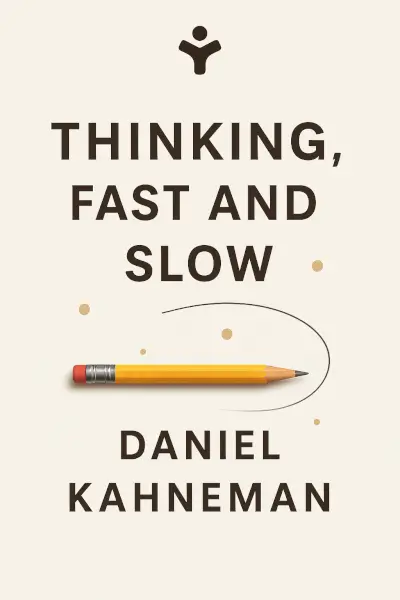
Thinking, Fast and Slow
Ready to Take Action?
Get the Mentorist app and turn insights like these into daily habits.