The Dangers and Uses of 'Fool in the Market' Thinking: Avoiding Exploitation
In every competitive arena there are people who think they see the whole chessboard, and then there are those wandering into the game without realizing the basic moves. At Salomon Brothers, the core maxim was simple: if you don’t know who the fool in the market is, it’s probably you. This wasn’t just about bonds; it echoed across all social and business decisions—who gets the inside info, how rules are bent (or snapped), and who ends up paying the price for ignorance.
The problem is, most of us overestimate our insight, especially when the pace picks up or rewards are juicy. We walk into rooms full of private alliances and subtle traps, sure that our intelligence or effort will see us through, only to discover (sometimes too late) that we’ve been the mark for someone else’s gain.
Savvy veterans didn’t just know the sophisticated math or strategies—they practiced ongoing humility, always double-checking their frame of reference and listening carefully for signals they might be missing. When stakes were high, they were the first to reach for outside input, challenge assumptions, or ask 'dumb' questions that sometimes revealed fatal flaws in brilliant-looking schemes.
Social scientists liken this mindset to 'active open-mindedness.' Whether investing, joining a new group, or entering any high-stakes contest, taking time to get both the official and unofficial lay of the land, and keeping your ego in check, can prevent being the accidental fool.
Next time you’re about to jump into something big—a debate, a purchase, or applying for a dream committee—first rate how well you truly understand the rules and influencers. Run your plan by someone uninvolved or newer, and listen hard to their basic questions—their fresh eyes may spotlight risks you’d blind to, even if you think you’re the expert. Finally, ask a respected mentor to shoot holes in your plan, and take any discomfort as a sign you’re on the right track. This approach may sting your pride but will almost always save you pain (and sometimes, reputation or cash). Don’t go it alone—let at least two voices challenge you before you hit send.
What You'll Achieve
Achieve sharper risk assessment and avoid preventable setbacks in any competitive or uncertain context. Internally, you’ll become more comfortable with vulnerability and uncertainty, and externally, your decisions will become more robust and less error-prone.
Benchmark Your Knowledge Before Taking Big Risks
Assess Your Understanding Honestly
Before making a major decision—investment, application, project—ask yourself what you actually know (and don’t know) about the rules, the players, and the stakes.
Seek Out the 'Fool's Perspective'
Find someone less experienced and ask them what seems weird, risky, or unclear; their confusion may reveal hidden pitfalls even experts miss.
Embrace Humility and Ask for Guidance
When the environment is new or complex, openly invite feedback or double-check your understanding, even if you fear looking naïve. This can prevent costly errors.
Reflection Questions
- When did I last realize I’d been the 'fool in the market'?
- Where do I still assume I know more than I do?
- How could asking simple questions change the outcome next time?
- What habit or system could I set up to check my blind spots before making big moves?
Personalization Tips
- Before joining a new club, ask: do I actually get the group’s inside jokes and decision-making process?
- If you’re about to buy a used car, run the offer by a friend who’s not emotionally invested.
- When planning to compete for a scholarship, talk to recent recipients and ask for their 'things I wish I’d known.'
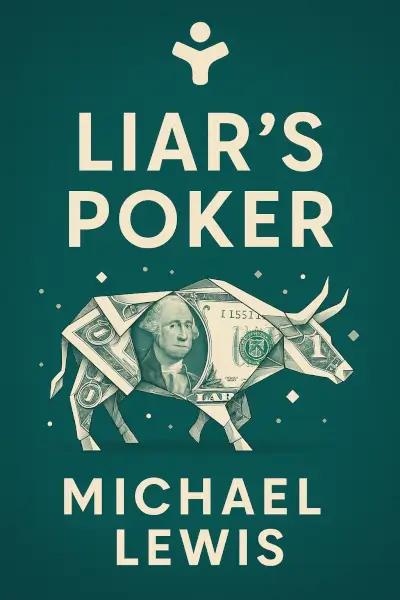
Liar's Poker
Ready to Take Action?
Get the Mentorist app and turn insights like these into daily habits.