Overcoming the Narrative Fallacy—Why Your Best Stories May Lead You Astray
Human brains are wired for stories. When you reflect on school trouble, a personal victory, or sudden bad news, you unconsciously craft a narrative that explains not just what happened, but why. This keeps life orderly, but can seriously mislead you. The narrative fallacy—the trap of inventing causes or believing neat stories—explains why we often spot patterns where none exist, or why we think past events were inevitable when they were actually random.
Real-life cases abound: news articles attribute market swings to dramatic headlines—sometimes even posing opposite causes within an hour. Teams and families fall into traps by creating a ‘reason’ for every problem, often missing the silent contributing factors, confounding variables, or deeper but less obvious causes. Scientists have shown that most people—even experts—will defend their stories long after the data has gone the other way. Learning, therefore, demands stepping outside your story and being open to the messy, random, and often unexplainable sequence of events.
The most adaptive teams and thinkers develop the habit of separating facts from stories, embracing experimentation, and checking whether the story matches reality or just feels good. This isn’t always comfortable for the brain, but it’s critical for clear thinking.
Next time you find yourself explaining an outcome—good or bad—pause and list the raw facts before slipping into a story. Try viewing these facts from a stranger's perspective, or even test predictions or explanations by changing a key element and seeing what happens. Ask teammates or mentors for counter-narratives. With a bit of effort, you'll make fewer knee-jerk judgments and learn to notice when your brain's drive for coherence is speeding past the evidence.
What You'll Achieve
Develop clearer, fact-based communication; avoid misattributing cause and effect; and cultivate learning habits that prioritize reality over comforting stories.
Step Outside the Story and Test Assumptions
Notice your storytelling impulses.
The next time you explain a setback or a win, pay attention to how you rush to create a neat cause-and-effect story, even if you only learn the reason later.
Revisit a recent event using only raw facts.
Write a bullet-point list of what happened without attributing motives or causes. Then compare this with your original narrative account.
Test explanations through experiment or prediction.
Ask yourself: ‘Is there a way to check if my story matches reality—could I test this explanation with a simple experiment, new observation, or future prediction?’
Reflection Questions
- In which situations do you feel most tempted to explain events with a story?
- Who in your life can provide a neutral, non-narrative perspective?
- When have your ‘just-so’ stories gotten you into trouble or prevented learning?
- How comfortable are you with uncertainty or unexplained outcomes?
Personalization Tips
- When your team succeeds or fails, ask for input from multiple people who saw different parts of the project.
- In day-to-day conflicts, write down what was observed (words, actions), then share your story with a neutral friend to see how their perspective differs.
- In creative pursuits, check if your explanation for why something works is matched by the experience of your audience or critics.
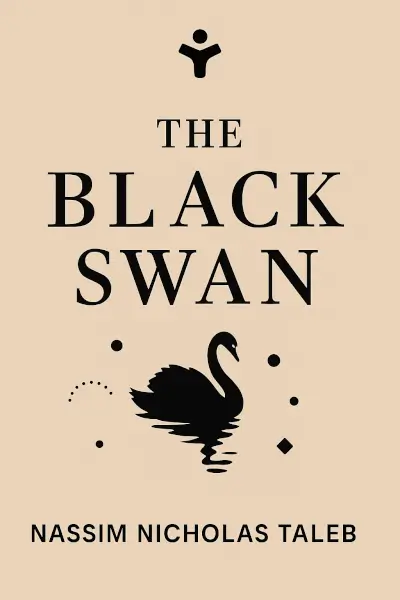
The Black Swan: The Impact of the Highly Improbable
Ready to Take Action?
Get the Mentorist app and turn insights like these into daily habits.