Unlocking Opportunity by Seeking What You Don’t Know Instead of What You Do
Much of what changes our lives and our world comes from what we don’t already know. Imagine walking into a massive library. Most people admire the books they’ve read, but the shelves that truly matter are the ones you haven’t opened yet—the ‘antilibrary’. Instead of measuring yourself by your expertise, what if you tracked your ignorance, too? When experienced entrepreneur Sara built her tech startup, what saved her wasn’t mastery of the things everyone else knew. It was stumbling into new fields, asking outsiders naïve questions, and being honest about what she didn’t understand that let her seize hidden opportunities.
Think about last time you were caught off guard by a question in class or a change at work. Typically, we double down on the comfort of what we already know, run back to our academic strengths, or seek out easy victories. But the real edge comes from being actively aware of all the gaps in your knowledge. Not knowing becomes a compass—pointing toward what others are missing, where surprises (good and bad) come from, and, crucially, where you might outmaneuver the crowd. Experience shows that societies, teams, and individuals who openly track their ignorance—who become ‘skeptical empiricists’—are less likely to be blindsided and more likely to spot emerging ‘Black Swans’ before they're obvious.
This mindset flips the script on conventional learning. Most of us are trained to celebrate our expertise, to hoard answers, and to fear straying from our specialty. Instead, what marks trailblazers and resilient problem-solvers is their ability to map their ignorance, value disagreement, and spend thoughtful time on unread books, unexplored skills, and conversations with people outside their field. The science is clear: treating unknowns as strategic assets builds the kind of flexibility and creativity that opportunity requires.
Here’s what you can do right now: Set aside a few minutes to make a list of the books and subjects lurking at the edge of your awareness—your personal 'antilibrary.' Be honest about what you’d hate to be quizzed on or flustered by. Pick one gap, and treat it like a research mission for the week, not a threat to your self-esteem. Once a month, challenge a core belief by seeking opposing views, focusing more on understanding their case than on defending your own. Let your curiosity lead, and treat your unknowns as starting points, not failures. Eventually, you’ll spot chances and solutions the so-called experts miss. Try it next time you’re in class, at work, or even just reading the news.
What You'll Achieve
Develop intellectual humility, increase awareness of personal and team blind spots, and enhance your ability to adapt and seize hidden opportunities that others miss.
Turn Your Focus Toward Knowledge Gaps Now
Identify your ‘antilibrary’.
Spend 10 minutes writing down the topics, skills, or books you're aware you haven’t explored but could be important. Don't filter for only immediate needs; include areas outside your comfort zone.
Treat your ignorance as an asset.
Reflect on the last time an unexpected question or problem tripped you up. Ask what types of knowledge would have made you prepared, and plan how to deliberately spend time each week exploring one unknown area.
Regularly challenge what you ‘know’.
Every month, pick one deeply-held belief and seek out credible sources or experienced people who disagree. Listen, with the goal of testing if you only know ‘white swans’.
Reflection Questions
- What recurring situations expose gaps in your knowledge?
- How do you typically respond emotionally when you realize you were wrong or uninformed?
- Who in your circle is unafraid to challenge your assumptions, and how can you learn from them?
- What unread ‘books’ or skills might become critical in future opportunities?
Personalization Tips
- In school, keep a ‘questions log’ for topics in class that confuse you and review with a study group.
- In business, ask your team what assumptions they’re not questioning about your competitors or market trends.
- When learning a new skill, deliberately seek out mistakes or common misconceptions before investing time in practice.
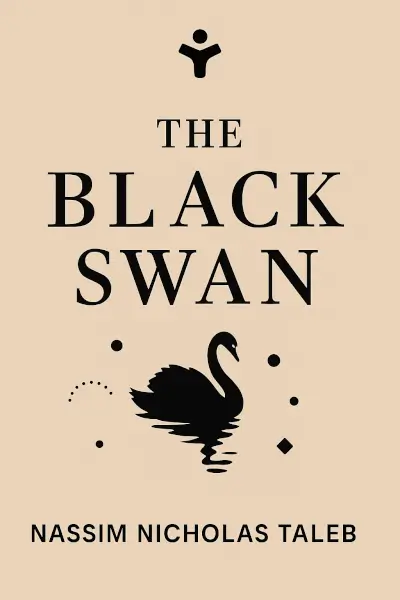
The Black Swan: The Impact of the Highly Improbable
Ready to Take Action?
Get the Mentorist app and turn insights like these into daily habits.