Waking Up When Old Coping Patterns Fail—Turning Breakdown into Self-Discovery
Cracks first appear in small symptoms—a headache that won’t fade, sleep that never refreshes, a guilty sadness showing up in the margins of every day. Maybe you find yourself dreading work or social plans you used to enjoy. You try harder, double-down on your old habits: more patience, more giving, more self-control. Nothing helps. Finally, it dawns on you: What’s breaking down isn’t you, but the strategy you’ve always relied on. The old role—being useful, upbeat, or invisible—cannot keep you afloat anymore.
In a quiet moment, with your phone buzzing unanswered beside you, you try a new approach. You write, 'I am so tired of always being the one to make peace.' The tension eases. It’s not pleasant; tears prick the back of your throat, and relief tussles with guilt. But in voicing the uncomfortable truth, a sense of clarity breaks through. Maybe you even whisper, 'I wish someone would notice me for a change.'
Developmental psychology calls this 'positive disintegration'—when breaking down means an awakening, not a failure. By questioning inherited roles and finally naming your own feelings, you create space for a truer, freer self to emerge. Emotional distress, it turns out, can be the best wake-up call your true self ever receives.
If you catch yourself stuck in symptoms—anxiety flaring, motivation tanking, sleep disappearing—pause the fight to fix it. Instead, notice what feels like it’s falling apart: Is it your image as the always-helpful person, the uncomplaining child, the perfect employee? Take a few minutes to identify feelings you've shoved aside—resentment, boredom, anger, even fear. Say them gently or write them down. Then choose one small step to do differently: tell someone ‘not today’, allow anger to be felt, or just rest when you need it. This isn’t quick work, but every honest moment is a step toward building a self that feels real, not just responsible.
What You'll Achieve
You’ll break free from harmful, exhausting old patterns, open new doors to self-knowledge, and build strategies for enduring change and resilience.
Recognize and Use Your Emotional 'Breaking Point'
Track recurring emotional or physical symptoms.
Pay attention to anxiety, depression, burnout, or chronic tension that don't go away with your usual coping methods.
Ask what’s ‘breaking down.’
When old strategies stop working, reflect on what part of your strategy or identity is actually failing—often it’s a role-self or outdated fantasy.
Name your true feelings as they arise.
Pause and allow yourself to state, aloud or in writing, your real emotions about a person or situation—even if they feel uncomfortable or ‘wrong.’
List values or behaviors you want to update.
Identify one new value or small behavior you want to try instead of your old role, like saying ‘no’ or admitting anger.
Reflection Questions
- What symptom or crisis has repeated for me lately?
- Which old strategy am I most afraid to let go?
- What’s one uncomfortable truth about myself or my relationships I can safely admit today?
Personalization Tips
- A college student spiraling into anxiety after years of being the reliable friend, finally realizing their own needs have been ignored.
- A high-performer in their first job, suddenly overwhelmed with panic attacks when criticized by a manager.
- A parent who was never allowed to be angry, finally naming long-held resentment and asking for respect.
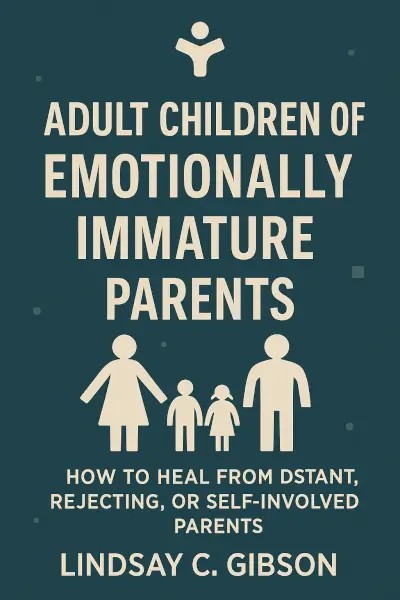
Adult Children of Emotionally Immature Parents: How to Heal from Distant, Rejecting, or Self-Involved Parents
Ready to Take Action?
Get the Mentorist app and turn insights like these into daily habits.