Healing Fantasies and Role-Selves: Why Childhood Coping Becomes Adult Self-Sacrifice
In the stillness of a late Thursday evening, as traffic murmurs outside, you remember lying on your childhood bed, picturing yourself one day being the favorite—if only you were a bit quieter, funnier, or more helpful. Over time, these daydreams harden into a silent motto: ‘If I’m always there for others, I will finally be loved.’
Decades pass. Now you’re the friend everyone leans on, the employee who sticks around after hours, the partner who makes jokes to smooth over tension. Sometimes, after giving and giving, resentment bubbles beneath the politeness. At night, a familiar anxiety rattles through you: ‘Will I always have to work this hard just to belong?’
These are not just bad habits—they stem from the ‘healing fantasies’ and family roles picked up to survive growing up emotionally deprived. Science tells us these stories were once vital: Childhood minds built them for hope. But they rarely fit with adult reality, trapping us in expectations that never quite play out. Recognizing your own fantasy and role-self is the first step toward genuine connection.
Tonight, carve out ten quiet minutes. Write one statement about what you wish from others—perhaps that they’d simply notice you without you doing anything special. Then jot down the version of yourself you become to win attention or approval, even if it’s as small as cracking jokes or downplaying your wins. Sit with these truths, comparing them to the way you handle relationships today. Next time you sense yourself slipping into your old role, try pausing and expressing a small preference or feeling without overfunctioning. Notice how it feels to let the real you peek out, even for a moment.
What You'll Achieve
You’ll build the insight and courage to shed exhausting roles, making space for authentic connection and deeper self-acceptance.
Unmask Your Healing Fantasy and Family Role
Complete two fill-in-the-blank prompts.
Write down a sentence about what you wish others would do for you (your healing fantasy) and a sentence about what you do to earn love (your role-self).
Compare fantasy and reality.
Reflect on whether your current expectations of friends, partners, or colleagues mirror your healing fantasy from childhood.
Notice the cost of your role.
Ask yourself when playing your role-self left you exhausted, resentful, or invisible. Be honest about whether it still shapes your actions today.
Experiment with genuine expression.
Next time you’re tempted to ‘earn’ connection or placate, pause. Try stating a simple preference or feeling without playing a role.
Reflection Questions
- What do I secretly expect others to do for me?
- Which roles drain me the most—and why do I keep playing them?
- What small step could I take today to show up more as myself?
Personalization Tips
- At work, always volunteering to fix problems or take extra shifts, secretly hoping to finally be acknowledged.
- In dating, believing if you’re endlessly supportive, someone will ‘choose’ you for your loyalty.
- Among siblings, defaulting to peacekeeper even when you disagree.
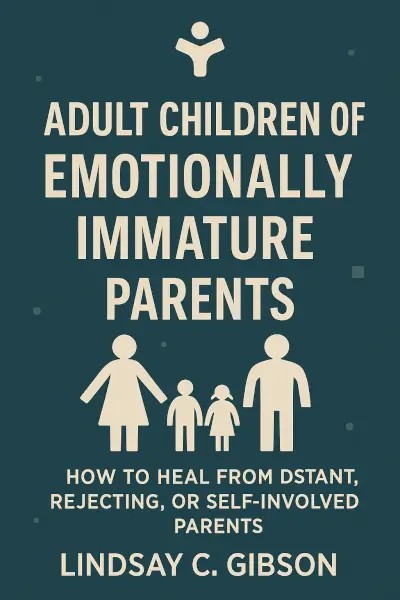
Adult Children of Emotionally Immature Parents: How to Heal from Distant, Rejecting, or Self-Involved Parents
Ready to Take Action?
Get the Mentorist app and turn insights like these into daily habits.