Discern Between Real-World and Online Social Learning—Don't Let Algorithms Shape Your Identity
In the age of social media, algorithms are designed to expose you to the most 'popular' or 'prestigious' voices—those who hold the most sway in digital cultures, regardless of their actual expertise or credibility. This harnesses what psychologists call 'conformist' and 'prestige' bias: people instinctively copy those who seem most successful in their group and those whom the crowd rewards.
Originally, these learning shortcuts helped children and adolescents quickly pick up the behaviors and values of their community—by watching parents, older students, or respected locals. But now, scrolling through curated feeds, a teen can encounter a thousand pieces of advice or examples in a single afternoon, most chosen by artificial intelligence rather than human wisdom. The danger: these algorithms often amplify extreme, performative, or highly 'engaging' voices, not the thoughtful, kind, or genuinely competent ones.
Without critical reflection, it's easy to unconsciously adopt attitudes, habits, and even identity markers that are out of sync with your family, neighborhood, or deeper goals. Behavioral science warns us: who you watch determines who you become. A conscious review of influences—and purposeful curation of which digital streams earn your time—is key to forming a resilient, authentic self.
Today, pause after each online session to note who and what influenced you. Write your top offline and online role models, and consider which have shaped your language, moods, or beliefs this month. If you're in a critical growth period (ages 10–15, especially), press pause on algorithm-driven content and actively seek in-person mentors or trusted voices. Reflect each week—after a scroll or a new trend—whether you're living by your own values or those handed to you by an unseen crowd. Reclaim your agency with every choice of whom to follow.
What You'll Achieve
Develop greater self-awareness, agency, and resilience by consciously choosing mentors and influences; avoid blindly absorbing viral attitudes or performative trends that can misalign with authentic values and long-term goals.
Choose Intentional Role Models and Consciously Limit Algorithmic Influence
List your current role models and sources of influence.
Write down the people you look up to—in person and online. Notice who you encounter most often, especially through digital channels.
Limit exposure to algorithm-driven content for sensitive periods.
Commit to spending critical growth phases (ages 10–15) absorbing culture, skills, and attitudes from real-life mentors, family, local community members, and high-quality, verified digital sources only.
Reflect on how online influencers and social norms shape your thinking.
Ask yourself after scrolling: what messages or attitudes stuck? Are these aligned with your deeper values or those of your community?
Reflection Questions
- Whose example—online or in person—do you emulate most?
- Are your online influences reinforcing or clashing with your offline values and goals?
- How could you limit algorithmic exposure during growth years?
- Which real-world relationships or communities could replace screen time for personal growth?
Personalization Tips
- A middle-schooler works with their family to review which YouTube channels are educational and positive versus which rely on viral pranks or trends.
- A student intentionally spends more time with a grandparent or sports coach, learning non-digital skills and values.
- A teen limits TikTok use during the school year, focusing on in-person friendships and activities that challenge them.
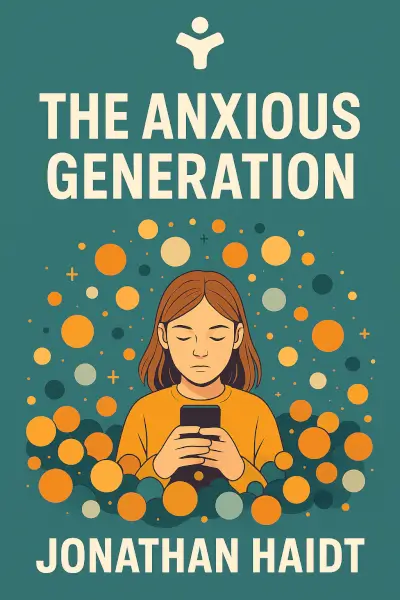
The Anxious Generation: How the Great Rewiring of Childhood Caused an Epidemic of Mental Illness
Ready to Take Action?
Get the Mentorist app and turn insights like these into daily habits.