Understand the Trap of Digital Addiction—From Variable Rewards to Craving and Withdrawal
Slot machines and social media share a secret: they both use the power of variable rewards. Psychologists have proven that the strongest habits form when the outcome is unpredictable—a 'like' pops up sometimes, but not always, so the urge to check becomes irresistible. When your brain gets a tiny surge of dopamine from a message, notification, or win in a game, it learns to crave that unpredictable payoff, not just enjoy it. Over time, the trigger becomes internal—boredom, frustration, or even a hint of sadness is enough to set the loop rolling.
This is exactly how behavioral addictions take root, and their grip can be fierce. As your device habits intensify, you start to notice what researchers call withdrawal: anxiety, irritability, and even trouble sleeping if you try to cut back. It’s not weakness—these patterns are baked into how your brain was designed to learn. The hook grows deeper if you use screens in response to negative feelings, with every quick reward reinforcing the escape.
Yet, breaking the loop doesn’t require willpower alone. The key, behavioral scientists say, is to make the patterns visible. Once you notice the moments and emotions that push you into a cycle of reward, you can insert new, healthier steps. By adding a pause, a physical redirect, or even a moment of reflection, you slowly weaken the craving-response connection and regain control over your attention and mood.
The next few days, pay close attention to what you feel just before you reach for a device—boredom, maybe, or a hit of nervous energy. Record the moment, then move your phone elsewhere for an hour each day to create space to think before acting. Reflect on what pulls you back; when you feel cravings, try substituting a walk, journal entry, or real-life conversation. Expect restlessness at first—like any powerful habit, you’ll notice withdrawal. But stick with the new routine, and those waves will quiet, giving you more freedom and peace than you expected.
What You'll Achieve
Increase self-awareness, break free from compulsive screen cycles, regain lost focus and emotional stability, and develop a healthier sense of agency in managing technology.
Spot Your Hooked Habits and Reset Cycles of Reward
Notice emotional triggers for picking up your device.
Each time you reach for your phone, pause and jot what you're feeling—bored, lonely, anxious, or just filled with expectation.
Interrupt the reward loop with a physical 'stop gap.'
Set your device in another room for an hour a day or use tools that force a break, like phone lockers or app limits. The goal is to insert a conscious pause before acting.
After a short detox, reflect on your cravings.
Notice which moments feel restless, and replace the urge with a brief activity: a stretch, journaling, or calling a friend in real time.
Reflection Questions
- Which emotions most often trigger your device use?
- How do you feel during moments without your phone?
- What non-digital rewards could you substitute to relieve boredom or anxiety?
- What changes have you noticed after one week of conscious tech breaks?
Personalization Tips
- A teen realizes that checking their phone is a reflex during homework frustration, so pauses and stretches for five deep breaths instead.
- A young adult deletes Instagram temporarily, observing how cravings spike and fall, and fills the gap with evening runs.
- A family agrees to device-free dinners and shares out loud the moments when they feel the tug for a quick check.
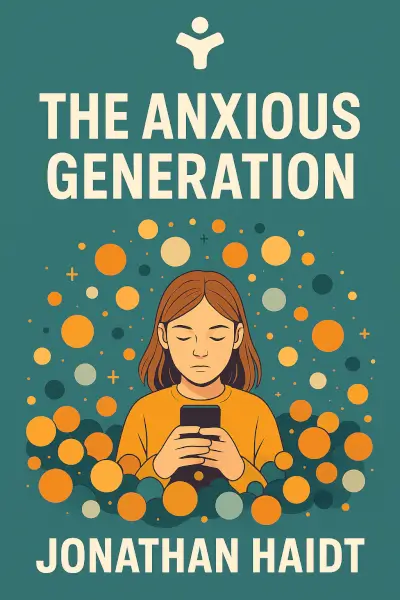
The Anxious Generation: How the Great Rewiring of Childhood Caused an Epidemic of Mental Illness
Ready to Take Action?
Get the Mentorist app and turn insights like these into daily habits.