Reversing the Logic: Why Doing Less Creates More Value and Joy
You may not notice at first, but much of your day is eaten up by routines that feel necessary, even productive—until you realize the majority have little to do with your real priorities. Picture yourself checking emails every ten minutes, cleaning up paperwork that nobody reads, or saying yes to endless minor requests. It’s tempting to believe that 'keeping busy' is the same as accomplishing important things, but often it’s quite the opposite.
When you finally get brave enough to skip a habitual low-value task—let’s say, you ignore your inbox for a morning—you might feel anxious for an hour, but then, oddly, nothing explodes. In fact, you often get more done. An entrepreneur I know cut his work hours from twelve a day to two by focusing only on what produced actual results, then letting go of the idea that he needed to look busy. There’s a quiet liberation in realizing the world doesn’t fall apart when you stop dabbling in the trivial.
Behavioral psychology echoes this: the '80/20 Principle' and Parkinson’s Law have shown that a small portion of tasks produce most of our results, and time expands or shrinks to fit the tasks you allow. Once you stop measuring value in hours spent and instead measure in results achieved, you free up energy for things that excite you and matter—creating space for joy, learning, and adventure.
You can reclaim your best hours by first listing out everything you always do each week—no matter how routine. Use a highlighter to mark which ones genuinely push you toward your goals, like making a real impact at work, building family bonds, or getting fitter. The rest? They’re probably just busywork. Pick one, and either delegate it, automate it, or group it with similar tasks so you only think about it once a week. Notice the time and calm you suddenly win back. Try it tomorrow, and give yourself permission to do less—so you can live more fully.
What You'll Achieve
Reclaim significant blocks of time, reduce stress, and increase satisfaction by focusing only on high-impact activities. You'll enjoy deeper engagement with meaningful work, hobbies, or relationships—and find more space for rest and creativity.
Identify and Eliminate Your Low Impact Activities Now
List your weekly recurring tasks.
Set a timer for five minutes and write down every major activity you repeat each week, whether for work, family, or yourself.
Mark the tasks that actually move you closer to your main goals.
For each activity, mark whether it directly leads you toward something important—like income, learning, creativity, or relationships.
Choose one 'busywork' or non-essential task to eliminate or batch.
Pick the task with the least real impact, and either drop it, delegate it, or schedule all like-tasks together at one set time to avoid constant interruption.
Reflection Questions
- What is one recurring task you always complete by habit, but aren’t sure really matters?
- How do you feel when your schedule is packed—relieved or depleted?
- What scares you about eliminating or delegating tasks, and what’s the worst that could honestly happen if you tried?
- What new possibilities might emerge if you created an extra hour for yourself each day?
Personalization Tips
- A student recognizes that checking email first thing every morning leaves little time for studying, and switches to afternoon-only email sessions.
- A small business owner stops attending non-essential meetings, freeing an hour each day for creative work.
- A stay-at-home parent replaces three daily grocery store trips with once-weekly meal planning.
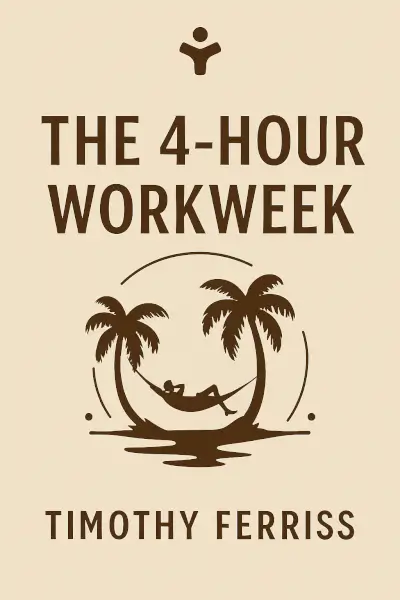
The 4-Hour Workweek
Ready to Take Action?
Get the Mentorist app and turn insights like these into daily habits.