Unleashing Effortless Effectiveness: How Doing Less Gets More Done
People often believe that more effort equals better results. Yet, in daily life, the most satisfying solutions often come when you let go of force and allow things to unfold with minimal interference. Think of learning to ride a bike. At first, you grip the handlebars so tightly your arms ache and you tip over. But once you relax, trusting your balance and reacting naturally, you find your rhythm and start enjoying the ride—sometimes even forgetting you’re supposed to be learning.
This is the principle of 'Wu Wei'—effortless action—at work. Rather than battling problems head-on, you respond with flexibility, saving energy for what really matters. Social psychology research shows that people perform better on problem-solving tasks when their minds are relaxed and open instead of tense and focused on 'trying.'
'Wu Wei' means not forcing the round peg into the square hole, but instead looking for the groove where things fit and acting on that. It’s not apathy or laziness but a responsive, trusting approach to living that values ease and effectiveness over brute effort.
Look for a moment today where you’re pushing too hard and choose to loosen your grip—let that friend finish their point, accept help rather than trying to control the outcome, or let your mind wander before taking creative action. Reflect on what actually happened and how you felt. You might be surprised to discover that less strain leads to more success and a clearer mind—give it a try before you judge it.
What You'll Achieve
You’ll gain a quieter mind, more natural social interactions, and surprisingly better results in work or school—while feeling less drained and more in-tune with your environment.
Practice the 'Wu Wei' Principle in Daily Routines
Spot an area where you’re forcing things.
Identify where you’re trying too hard—trying to impress, fix, or control. Example: Pushing yourself to answer every class question to prove you understand.
Step back and let things flow.
Choose to pause or take a gentler approach instead of forcing outcomes. Wait, observe, or choose a small, natural next step.
Reflect on outcomes versus effort.
At the end of the day, write down an example of something that worked out better when you didn’t push so hard. Let yourself be surprised by how much still gets done.
Reflection Questions
- Where in my life am I forcing things without progress?
- How do I feel after letting go of control compared to when I over-manage?
- What’s one small daily action where I can try 'effortless effort'?
- Who in my life seems relaxed yet productive—and what can I learn from them?
Personalization Tips
- Letting a group project leader set the plan, and adding your support calmly.
- Pausing during a sibling argument instead of insisting on the last word.
- Waiting for inspiration in creative work, then acting quickly on it.
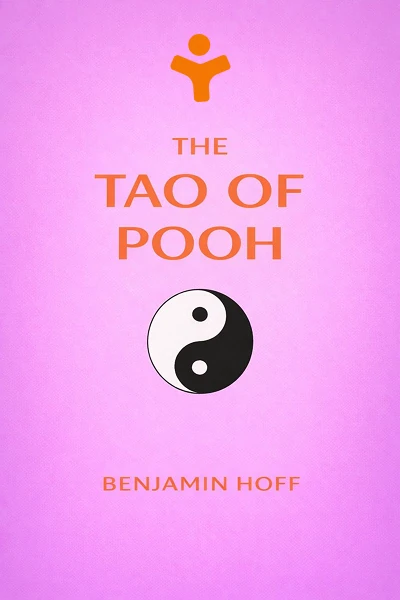
The Tao of Pooh
Ready to Take Action?
Get the Mentorist app and turn insights like these into daily habits.