The Radical Power of Self-Compassion—How Kindness to Yourself Changes Everything
After missing a deadline at work, you sit at your desk replaying every decision you made, quietly berating yourself. The phrase 'I’m useless' pops up on loop in your head. That night, as you’re cleaning up spilled juice in the kitchen and catching a glimpse of your reflection, the voice returns—this time, echoing your childhood nickname for being clumsy.
A friend calls and shares her own lousy day, laughing at her mistake. You listen—and instinctively comfort her, reminding her how hard she works. As you hang up, it hits you: you’d never talk to her the way you talk to yourself.
The next morning, when the self-criticism threatens to start up again, you intentionally interrupt it, whispering, 'I’m having a rough time, but I’m trying.' For a moment, your chest feels lighter. You recall research showing that self-compassion doesn’t make people lazy; it actually improves motivation and resilience. Over weeks, you keep practicing—naming when you’re struggling, treating yourself kindly, and giving yourself room to try again without fear.
Researcher Kristin Neff argues that self-compassion consists of self-kindness, recognizing common humanity, and balanced mindfulness. These three elements interrupt destructive cycles of criticism and shame, making room for emotional healing and measurable improvements in motivation and well-being. The brain’s stress response decreases, and pathways for confidence and new learning open up.
Each time you start judging yourself, pause—notice the words and swap them for something a bit gentler, like you’d offer a friend. Remind yourself that you’re not the only one who struggles, and say those thoughts aloud when you can. Notice and name your feelings clearly, but don’t dwell or suppress; let them pass. Over time, these practices will start to shift your inner language, and you’ll find kindness toward yourself isn’t just a nice idea, but a tool that lifts the weight of shame and allows you to genuinely move forward. Try it once today and pay attention to how you feel afterwards.
What You'll Achieve
You’ll reduce feelings of shame, helplessness, and inner paralysis, and gain emotional stability, inner resilience, and greater kindness—resulting in better motivation, better relationships, and healthier self-esteem.
Interrupt Self-Criticism With Warm Self-Compassion
Notice When You’re Harsh With Yourself.
This week, keep a small tally in a notebook or on your phone every time you use harsh language toward yourself (even internally).
Replace Criticism With Self-Kindness.
When you catch yourself, imagine what you’d say to a friend in that moment—then say it to yourself instead.
Remind Yourself That Everyone Struggles.
Remember that feeling pain or failure is a part of being human. Say out loud, 'This is part of being human. I’m not alone.'
Practice Balanced Mindfulness.
Notice your feelings, but avoid exaggerating or suppressing them. Name the emotion ('I feel disappointed'), then let it pass.
Reflection Questions
- How would my life change if I spoke to myself like I speak to friends?
- Which situations trigger my harshest self-judgments?
- How can I practice reminding myself that all people struggle, not just me?
- What does my body or mood feel like after moments of self-kindness vs. self-criticism?
Personalization Tips
- If you bomb a test, tell yourself, 'I tried, and I’ll learn for next time'—not, 'I’m an idiot.'
- When you mess up at work, remember that even your boss makes mistakes and offer yourself forgiveness.
- After a tough day with your kids, pause and affirm you’re doing your best, just like every parent.
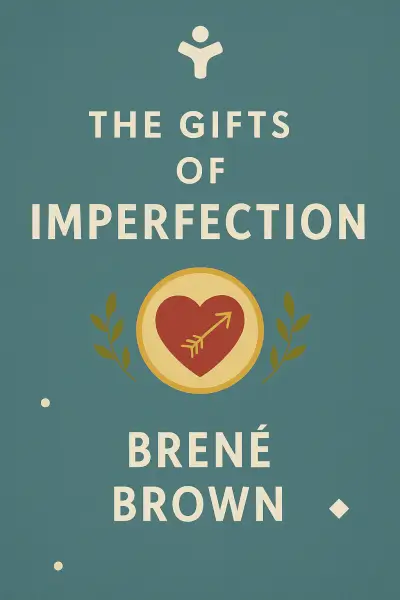
The Gifts of Imperfection
Ready to Take Action?
Get the Mentorist app and turn insights like these into daily habits.