How Family Narratives Can Trap You in Old Roles (and What It Takes to Break Out)
From the time Jennette was young, her family handed her a script and a highlighter—they circled her role, over and over. Responsible daughter. Mom's best friend. Star who brings home hope. In that house, each kid had a clear part to play, and Mom’s narrative about the family’s 'adversity' was retold so often it crystallized into truth. The atmosphere was thick with expectation—caring for others, preserving memories, pleasing at all costs.
But family narratives can become almost invisible, like the air we breathe; we forget there’s any other option. When Jennette tried to step outside her assigned role (maybe by writing her own story or exploring her real feelings), the old story threatened to pull her back in. It’s not only her experience. Psychological research shows that our identities are heavily influenced by the roles our families create for us and the stories they tell about who we are or could be. To break out, you first have to see the narrative clearly—naming it, noticing its power, and refusing to let it define your whole life.
For many, this won’t happen in a single dramatic moment, but rather in small rewrites: standing up for a new version of yourself, risking momentary discomfort for future freedom. Every new story you write for yourself is a chance to step into possibility, not just repeat the past.
Start by catching yourself in the act of playing those same old roles, then pause and ask, ‘Whose voice is behind these assumptions about me?’ Let yourself write down the scripts you were handed, then pick one and choose a new line—even just for today—that reflects your real wants or beliefs. Allow yourself to experiment in a low-stakes situation, seeing how it feels to live as your own author. No overnight transformation is needed, just a willingness to try a new page.
What You'll Achieve
The ability to see and choose your own identity, break free from unconscious family expectations, and create a more authentic, internally-driven life.
Identify, Name, and Rewrite Limiting Stories
Recognize the family stories you tell (or are told).
Notice how you’re cast in your family—responsible one, black sheep, peacemaker, etc. Write down three labels or scripts that have shaped you.
Ask whose voice you hear in your self-criticism.
Pause when you feel critical of yourself. Is it your standard, or does it echo a parent, sibling, or family belief?
Rewrite one limiting script as a possibility statement.
Change 'I’m the one who has to keep everyone happy' into 'It’s not my job to control others’ moods; I can learn to be myself.'
Reflection Questions
- What old role do you fall into around family or childhood friends?
- How might life be different if you rewrote even one of those scripts?
- Whose approval are you still seeking, and what would happen if you let it go?
- What’s a small but real way you could live out your own story this week?
Personalization Tips
- If you’re always the fixer in your group, try stepping back and letting someone else solve a problem—observe your feelings.
- If your family script says 'I’m too sensitive,' experiment with honoring your emotions and seeing them as strength.
- If you grew up believing you had to perform or be perfect to get love, try setting one standard just for yourself this week.
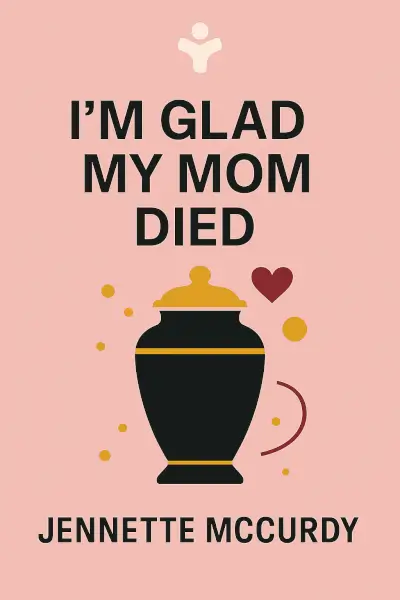
I’m Glad My Mom Died
Ready to Take Action?
Get the Mentorist app and turn insights like these into daily habits.