Why Saying Yes Once Makes You Say Yes Again—Harnessing the Commitment and Consistency Trap
Maybe you’ve noticed how hard it is to back out once you’ve told the group you’re in. What starts as a simple 'I’ll help out' at a fundraiser turns into hours of follow-up commitment, especially after you’ve posted about it or told your friends. Or maybe you found yourself studying late at night, driven by the simple act of writing a test goal on your whiteboard—and promising your roommates you’d hit it.
Behavioral science reveals that humans crave consistency. After committing, especially in front of others, we change our attitudes and even invent justifications to stick to those commitments. The effect is powerful: a restaurant that gets customers to say 'I will call if I cancel'—instead of a vague 'please call if you change plans'—slashes no-show rates. People who write down their goals, post them in public, or make them visible to their communities are far more likely to follow through, even if the initial reason for commitment fades away. It’s not stubbornness for its own sake; appearing reliable is deeply rewarding, while inconsistency feels uncomfortable.
But there’s a flip side worth noting. If you commit too quickly—to the wrong thing, or under outside pressure—you might end up rationalizing yourself into a situation you regret. That’s why researchers recommend combining external, visible commitment with honest internal reflection on why you’re committing in the first place. When both align, consistency works as a powerful tool for motivation and habit change.
Next time you want to build a new habit—studying, exercising, volunteering—don’t just quietly hope you’ll do it. Write down your commitment and tell someone who matters to you. Take a little action that costs you some effort, like grabbing your running shoes or setting a library date, and reflect on why you truly want this. You’ll feel the natural tug to follow through, and that urge for consistency will work in your favor. Try this with a small goal this week: say it out loud, write it down, and take one concrete step to start.
What You'll Achieve
Transform fleeting intentions into real-world achievements through social and psychological mechanisms that strengthen follow-through, boost self-control, and align action with purpose.
Turn Small Commitments Into Lasting Motivation
Make a public, active declaration of your goal.
Rather than keeping intentions private, write down your commitment and tell a friend, colleague, or family member. For example, text a study partner your exam goal, post your workout plan, or announce a reading target in class.
Add an effortful step—don’t just agree passively.
Take an initial action that requires investment, like scheduling a time, buying supplies, or setting up a reminder. The more effort, the stronger your commitment tends to become.
Reflect on whether your decision is truly your own.
Ask yourself why you chose this commitment. Did you feel pressured, or did you genuinely care? Aim to own the choice so your actions match your values, not just your words.
Reflection Questions
- What’s one commitment you’re proud you stuck with—and what made it effective?
- Have you ever stuck with something just because you said you would, even after your reasons disappeared?
- When was your commitment driven mostly by internal values versus outside pressure?
Personalization Tips
- Posting your fitness challenge on social media and inviting friends to join.
- Promising to call your grandmother every Sunday and setting a calendar alert.
- Registering for an elective you’re nervous about and telling your teacher why you chose it.
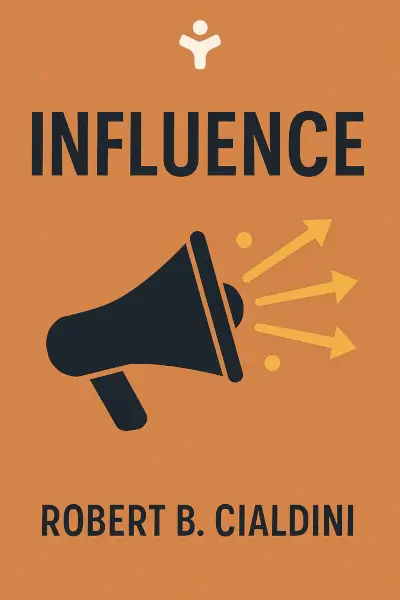
Influence: The Psychology of Persuasion
Ready to Take Action?
Get the Mentorist app and turn insights like these into daily habits.