Identity Is Not Fixed: Context and Situations Shape Our Actions Moment-to-Moment
Pause for a moment and consider your last week. Can you remember behaving generously in one context and irritable in another, perhaps surprising even yourself? Maybe you usually see yourself as organized, but one particular meeting room full of distractions leaves you scattered and forgetful. These shifts might seem like random slips, but they’re often driven by the subtle cues in our environments—clutter, noise, the presence of others, or even invisible expectations.
Seminal studies from Stanford and Princeton showed that even people who deeply value kindness or honesty behave differently when rushed or when norms are ambiguous. In the famous “Good Samaritan” experiment, seminary students who had just read a story about helping others were far less likely to stop for a person in need if told they were late. Their personal beliefs hadn’t changed, but immediate context became the determinant of action—no matter what their ideals or personalities claimed.
Our sense of a fixed self is mostly an illusion. What feels like character is often the sum of small cues, pressures, and opportunities. Recognizing this empowers us: instead of blaming ourselves for every shortcoming or praising ourselves for every triumph, we can pay closer attention to our surroundings and intentionally design situations where our better selves have room to thrive.
Take a quiet moment tonight to jot down three instances where you acted out of character—maybe you lost your temper in a crowded space, or you volunteered unexpectedly in a calm one. For each, replay what was unique in the environment. Next time, shift just one context cue to set yourself up for the outcome you want: clean your workspace, pause for a deep breath before entering, or play upbeat music. See how your responses change, and remember—when the setting changes, so do we. Give it a try and watch your identity become more flexible, not less.
What You'll Achieve
Strengthen your self-awareness, reduce self-blame or rigid thinking, and gain the practical ability to design better outcomes by adjusting your own context.
Analyze How Environments Alter Your Behavior
Recall three recent situations where you acted out of character.
List times you surprised yourself—for good or bad—at home, work, school, or online. What was different in the environment or context?
Identify the environmental cues at play.
Note specifics: were you rushed, in a new group, in a tidy place, or with authority figures? Reflect honestly on what triggered the behavior shift.
Experiment with context tweaks.
Plan and change one detail the next time you’re in a similar situation to encourage the side of yourself you like best (e.g., arrive early, clean your desk, set a positive intention).
Reflection Questions
- When do I behave in ways that surprise me?
- How can I use context to support my goals?
- What small changes in environments bring out the best in me?
- How do I judge others’ behavior—do I account for their surroundings?
Personalization Tips
- A usually quiet student finds themselves leading a group when no one else steps up in a relaxed, supportive setting.
- Someone known for honesty faces temptation during a low-supervision test environment—but not in a proctored room.
- A friendly colleague becomes withdrawn when a familiar workspace is suddenly noisy or cluttered.
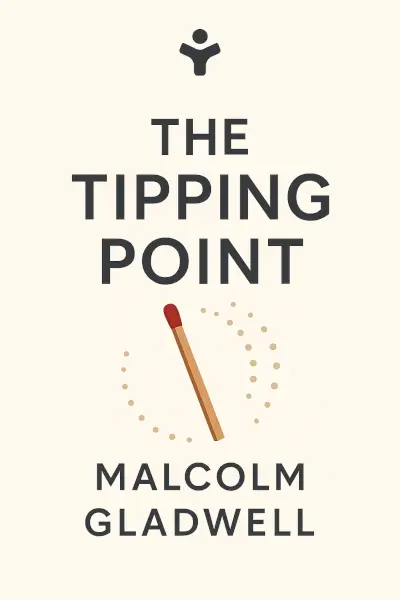
The Tipping Point: How Little Things Can Make a Big Difference
Ready to Take Action?
Get the Mentorist app and turn insights like these into daily habits.