How Nonverbal Cues Quietly Shape Others’ Decisions and Attitudes
Sometimes, it’s the things we don’t say that have the biggest impact. Studies tracking subtle physical gestures—like a nod, a warm smile, or leaning forward—show they can sway a whole group’s reaction, even when the content remains unchanged. One famous experiment during a national election revealed that when a news anchor smiled even slightly while mentioning a political candidate, his viewers responded by supporting that candidate at higher rates, without realizing why. In another study, students who nodded while hearing a message felt more positive, while those who shook their heads felt the opposite—all unconsciously.
Nonverbal influence is everywhere: from classrooms where a small gesture of encouragement changes a student's performance to business meetings where a manager's open posture makes others more willing to take risks. These cues can spread feelings and even mindsets, a process known as 'emotional contagion'. We mimic others, even in fleeting micro-movements, absorbing their state and reflecting it back without realizing it.
Being aware of your own signals—and the cascading effects they can have—transforms your power to inspire, motivate, and calm fear or resistance. You don’t have to fake it or be robotic; even small increases in intentional positive cues can start a new, constructive dynamic in almost any context.
Try recording yourself during your next group conversation, or simply keep an eye on your face in a mirror as you talk. Watch for the little cues—how your eyes, hands, and posture support or doubt a speaker. In your next chat or team activity, try adding a few more positive signals: smile, nod, keep your torso open. You’ll probably feel your own mood shift, and you might see others become more engaged, receptive, or energized. Small, real-world experiments like this reveal just how much sway our unspoken cues have, so why not test it out right now?
What You'll Achieve
Increase self-awareness of your impact, foster a more positive environment, and see measurable changes in confidence, participation, or group tone.
Notice and Adjust Your Nonverbal Signals
Record yourself during a meeting or conversation.
Use your phone or webcam to capture your facial expressions and body language during a short discussion.
Review for positive and negative micro-cues.
Look for subtle cues—smiles, nods, posture, or crossing arms. Reflect on how your signals might influence others’ mood or decisions.
Experiment with deliberate encouragement.
Try amplifying supportive gestures (nodding, smiling, open posture) in your next group setting. Pay attention to any changes in group responses.
Reflection Questions
- How do my facial expressions affect others in conversation?
- When have I felt influenced by someone's presence more than their words?
- Which nonverbal habits might be holding me back?
- Who models the kind of nonverbal leadership I admire?
Personalization Tips
- A teacher finds that nodding and smiling during student presentations leads to more confident speaking.
- A group leader in a volunteer project consciously uses positive gestures, noticing team members become more open and engaged.
- A teen in debate practice tries mirroring calm posture during a heated round, helping lower tensions.
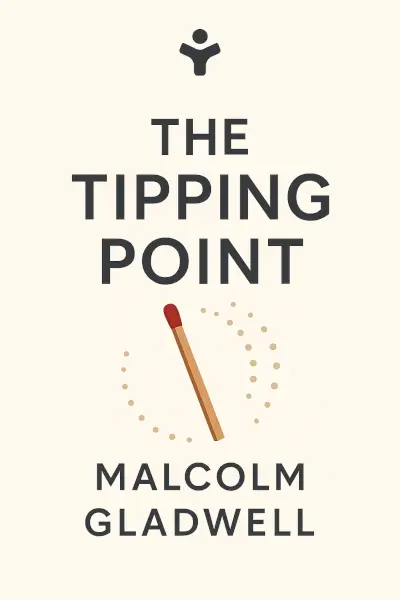
The Tipping Point: How Little Things Can Make a Big Difference
Ready to Take Action?
Get the Mentorist app and turn insights like these into daily habits.