How Tiny Changes Can Unleash Massive Effects in Surprising Ways
It’s common to expect big outcomes to require big efforts. But sometimes, when you adjust the smallest ingredient, the whole recipe transforms. Think about a public park: after trash bins were moved just a few steps closer to benches, littering dropped overnight. No grand announcement, no massive cleanup campaign—just a subtle shift in the environment. In a different context, a research team studying vaccine adoption among university students found that including a simple, hand-drawn map with the vaccination schedule made the difference between a failed outreach and a surge of participation. It wasn’t extra information or fear tactics; it was a tiny nudge that suddenly made the request memorable and actionable.
Behavioral science calls this the ‘nonlinear effect’—an idea that the relationship between cause and effect isn’t always what we assume. Minor environmental tweaks can act as tipping points by breaking through the usual barriers to action. It’s a principle that underpins everything from viral marketing campaigns to transformative classroom environments. When you witness a sudden jump in engagement or participation, ask what tiny catalyst set things into motion.
Try this today: pick a single small thing in your routine or environment to change—maybe the way you greet people, where you put reminders, or how you wrap up meetings. After a day or two, notice any differences in energy, attention, or actions. Talk with a friend or colleague about what you and they observed, and see if you can pinpoint the shift. This sort of targeted experiment can be a springboard—sometimes, a simple tweak shapes the future in unexpected ways. Why not give it a shot now?
What You'll Achieve
Develop the mindset to recognize opportunities in small details, sparking greater influence and adaptability. Outwardly, expect to see increased responsiveness, productivity, or motivation as you strategically tweak minor but meaningful elements.
Spot and Amplify Small Critical Changes
Identify one small variable to adjust.
Choose a specific factor you can change, like how a message is delivered, a small design tweak in your space, or a minor process shift. For example, add a reminder note in a visible place or tweak the way questions are asked in meetings.
Track the before and after impact.
Record what happens after you make the change, even if it seems insignificant at first. Watch for shifts in behavior, attention, or engagement.
Share the effect with allies or team members.
Invite others to notice and amplify the positive change. Ask for feedback or stories about how the change made a difference.
Reflection Questions
- What is one small change I’ve overlooked that could make a real difference?
- Where have minor adjustments caused outsized effects in my past?
- How comfortable am I experimenting with small shifts rather than big overhauls?
- Who can help me spot subtle feedback from these experiments?
Personalization Tips
- In a classroom, a teacher rearranges the seating and finds participation jumps.
- At work, a manager adds a handwritten thank-you note to project files and sees motivation spike.
- At home, swapping out a cluttered shelf for a neat one makes family members suddenly keep spaces tidier.
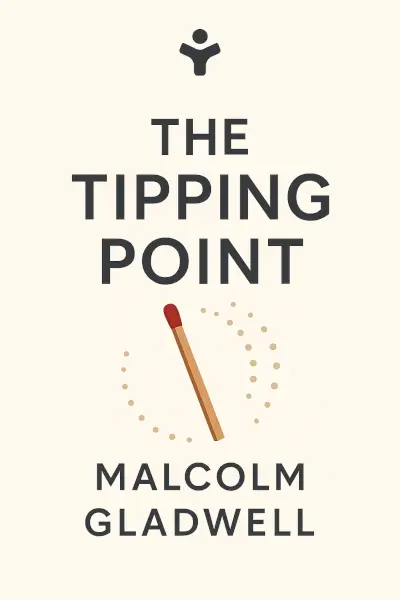
The Tipping Point: How Little Things Can Make a Big Difference
Ready to Take Action?
Get the Mentorist app and turn insights like these into daily habits.