Navigating Power: How Proximity to Influence Distorts Risk and Decision-Making
In high-stakes environments, the closer you work to major decision-makers, the greater the temptation to silence doubts or anxieties—sometimes without realizing it. This phenomenon is researched in behavioral economics as a form of risk distortion: the more access you have to power, the harder it is to challenge bad ideas, since group loyalty and fear of rocking the boat override independent analysis.
In fast-paced business, decisions might float straight to the founder or CEO without broader input, especially in a culture where their word is final. Over time, systems of honest feedback atrophy, blindspots multiply, and high-profile setbacks emerge—often traceable to warnings ignored because no one wanted to risk a relationship with those 'in the room.' This reinforcing cycle is dubbed the “proximity paradox” by some analysts: closeness brings inside knowledge, but also quietly discourages the dissent that keeps risk in check, unless actively counterbalanced.
Sketch out your team’s real power structure—who gets to call the shots, not just on paper, but in reality. Consult someone you trust about which issues go unspoken around the boss or team lead, and use that intel to nudge for a forum where feedback is welcomed, not penalized. By doing this, you open the gates to surface-level honesty—and better decision-making—no matter how close (or far) you are from the heart of authority.
What You'll Achieve
Internally, you will gain confidence to voice hard truths and a realistic map of influence. Externally, decisions become less subject to unchecked risk, and team resilience is strengthened.
Map Decision Chains and Challenge Risk Blindspots
Draw a map of who really decides in your group.
Forget org charts—note who is actually listened to when stakes are high, regardless of job titles, and write down which decisions bypass wider scrutiny.
Ask what’s left unchallenged by proximity to power.
Interview a trusted colleague: Are there risks or decisions people are afraid to push back on around key leaders? Capture those and discuss in a neutral setting.
Create or join a feedback loop that can reach decision-makers.
Propose a protocol, like an anonymous suggestion box or a red-team process, where anyone can surface overlooked risks to leadership—formalize the route so it isn’t personality-based.
Reflection Questions
- Who actually holds sway over high-impact decisions—and do I really benefit from this arrangement?
- When have I stayed silent due to fear or loyalty, and what was the result?
- How could feedback protocols be improved to surface risks earlier?
- What is one safe way I could challenge a risky status quo this quarter?
Personalization Tips
- In family decisions: Notice who truly settles disputes or spending—does everyone get a say when it matters?
- In student government: Watch if all big projects are decided in private by a small trio after meetings.
- At work: Set up regular check-ins where senior leaders listen without defensiveness, to encourage upward feedback.
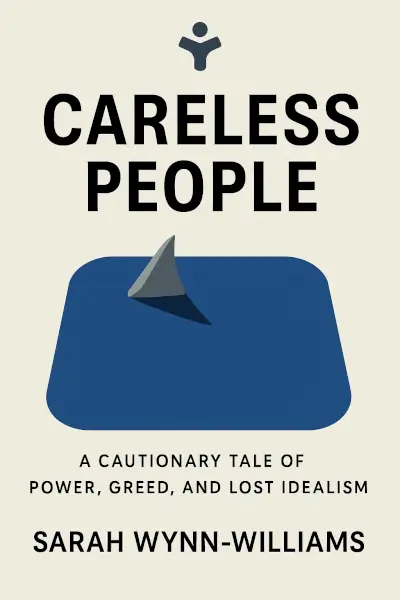
Careless People: A Cautionary Tale of Power, Greed, and Lost Idealism
Ready to Take Action?
Get the Mentorist app and turn insights like these into daily habits.