How Work Cultures Quietly Shape Priorities—And Why Hidden Norms Are More Powerful Than Rules
In most organizations, the actual rules people play by are rarely written down. The mission statement might say 'balance,' the policies might promise 'flexibility,' but the decisions and recognitions send a louder message: respond to emails at midnight, miss family events for extra credit, celebrate those who burn out for the cause. This is the unwritten work culture in action—a field explored in organizational psychology through the idea of 'shadow norms.'
Over time, employees notice that the path to advancement isn’t always based on innovation or teamwork, but sometimes on allegiance to invisible rituals like working through vacations or never questioning leadership. The danger is, these shadow norms can lead people to quietly betray their own boundaries out of a desire to fit in and get ahead. The coffee may be free, but the hours are not.
Researchers call attention to the hidden curriculum of work culture. Even in places where mission and impact are central, it's these unspoken rewards and punishments that train new and senior staff alike. Unless you become aware of these currents, you may find yourself—without really deciding—moving with them, at the expense of integrity, well-being, or balance.
Watch carefully for the little things—whose efforts spark recognition, who slides by or vanishes, which unwritten practices are really valued. Grab a pen and note those invisible rules, then check where they differ from the ideals on the wall. Challenge yourself, just once, to act by your own needs instead of an unspoken norm, and see what happens. Over time, these small experiments help separate what you actually must do from what you’re just conditioned to accept.
What You'll Achieve
You gain increased agency, authenticity, and clearer boundaries, along with the ability to spot and navigate workplace pressure that undermines your well-being or values.
Decode Your Workplace’s Real Rules of the Game
Observe what behaviors earn approval, not just what’s in the handbook.
Watch who gets praised, rewarded, or promoted. List the actions, habits, and attitudes that seem to matter most to leaders.
Identify contradictions between stated values and actual rewards.
Whenever a workplace claims to value work–life balance or 'openness,' note moments where action or reward says otherwise.
Test the limits with one small act of resistance.
Attempt one action that goes against a hidden norm but aligns with your real needs—such as declining a non-urgent after-hours call. Observe the reaction, and reflect on whether the pushback is real or just anticipated.
Reflection Questions
- Which hidden rules have I unconsciously absorbed?
- Where do my actions reflect real values—and where do they reflect invisible group pressure?
- Who benefits most from the culture as it stands?
- What’s one risk I could safely take to test my assumptions here?
Personalization Tips
- At your first job: Notice if only those who stay late are respected.
- On a sports team: See if voicing doubts is discouraged, even if feedback is 'welcomed.'
- In a volunteer group: Watch if volunteering for more is expected, despite talk about healthy boundaries.
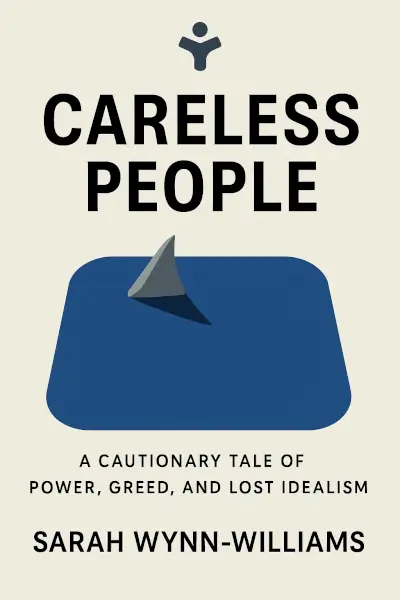
Careless People: A Cautionary Tale of Power, Greed, and Lost Idealism
Ready to Take Action?
Get the Mentorist app and turn insights like these into daily habits.