Why Idealism Without Guardrails Can Backfire—and How to Protect Your Convictions
You start a new job, pumped with idealism and a desire to make a difference. At first, everything feels inspiring. But little by little, you notice small compromises piling up—a work norm everyone shrugs off, a leader who insists on shortcuts that make you uneasy. One afternoon, as you scan your calendar, you realize you haven't called your closest friend in weeks, haven't slept well in months, and are dreading another meeting where you'll have to defend a company line you aren't comfortable with.
You remember, almost guiltily, how you wrote “honesty” and “courage” in your journal on your first day, determined to live by them. Now, those words feel far away. The office snacks are better than ever, the pace is relentless, and the praise for hard work never ends. But sometimes, at night, you wonder if you've left some part of yourself behind. Subtle warning bells ring as you recall a time when you rationalized something that misrepresented the company's intentions—small, sure, but not you.
Then, after a minor crisis, your boss congratulates the team for working late and skipping family time, setting a “new bar for commitment.” You feel a flash of anger and discomfort. The disconnect between your original drive to do good and the daily grind of rationalized corner-cutting is impossible to ignore. You realize it's time to check in with your core values, see how far you've drifted, and decide what you’ll do differently tomorrow. This moment is a real-world example of value drift—a key psychological concept describing how ambition without self-imposed guardrails can quietly erode personal ethics.
Before chasing every bold mission, set aside ten minutes to write your three most essential values—make them simple, and honest, and put them somewhere you'll see regularly. Form a checklist of red flags so you catch yourself if the tide starts to turn. Then each month, check in—are your actions and environment still reflecting those values? If you ever feel that tension creeping in, ask what boundary was crossed and how you’ll course-correct now. Protecting your convictions is an ongoing act, not a one-time gesture, and it empowers you to pursue impact without losing your sense of self.
What You'll Achieve
You gain greater internal clarity, more resilient motivation, and the ability to act and speak with courage even in high-pressure or ambiguous situations. Externally, you’ll avoid easy rationalizations that could later harm your reputation or those you serve, and you’ll experience steadier, more principled progress toward your goals.
Set Guardrails on Your Mission-Driven Motivation
Identify your core values before pursuing big missions.
Write down your top 3 non-negotiable principles (like honesty, compassion, or fairness) that you won't sacrifice to achieve any goal. Revisiting these before big career moves keeps your moral compass calibrated.
Create a “red flag” checklist for ethical discomfort.
Jot down specific behaviors or environments that would signal to you that your ideals are being compromised (such as misleading communication, disregard for employee well-being, or pressure to ignore regulations).
Schedule regular self check-ins.
Once a month, ask yourself if your current actions and workplace align with your previously listed values. If you spot drift, examine what triggered it and brainstorm ways to get back on track.
Reflection Questions
- How would I know if I was compromising my values?
- Where have I rationalized questionable decisions 'for the greater good'?
- What red flags have I ignored lately—and how can I address them?
- How does my sense of meaning or mission affect my willingness to set boundaries?
- What steps am I prepared to take if my convictions are threatened at work?
Personalization Tips
- At work: If a supervisor asks you to ignore a quality step to speed up a project, refer back to your list before acting.
- In health: If your goal to get fit leads to unhealthy obsession, use your value of balance to reset your approach.
- In relationships: If group loyalty pressures you to exclude someone, use your fairness value as a guide.
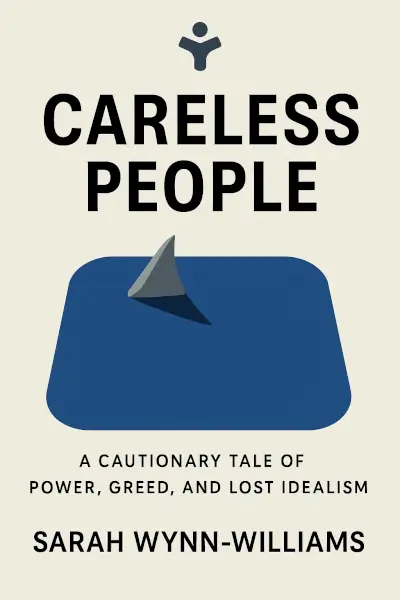
Careless People: A Cautionary Tale of Power, Greed, and Lost Idealism
Ready to Take Action?
Get the Mentorist app and turn insights like these into daily habits.