Moderation Versus Abstinence—Navigating the Gray Zone After Breaking a Habit
After weeks away from a tempting habit—maybe late-night snacks, smartphone doomscrolling, or video games—you wonder if you can enjoy it in moderation. Setting rules seems smart: only one treat a week, or games after all schoolwork is done. At first, sticking to your plan feels like winning. You savor the return, even boasting about your newfound self-control.
But then there's an off day: you miss a limit, deciding just this once won’t hurt. Suddenly, one slip leads to another—hours or days spiral out of control. You might feel discouraged, ashamed, or like giving up altogether. This phenomenon, known in psychology as the 'abstinence violation effect,' makes moderation tough, especially for those with a history of compulsive use. For some, moderation works with experimentation and support; for others, abstinence is the true relief.
Careful tracking and honest self-reflection allow you to recognize what works for you. Respecting your own signals—whether you thrive with boundaries or need a complete break—transforms self-control from a battle into a tailored strategy, rooted in self-awareness and kindness.
After a break from a habit, thoughtfully consider if moderation serves you best right now. Set up strict, clear limits about when or how much you'll indulge, and record not just the time or amount, but how it feels—energizing, stressful, or triggering. If you slip up, don’t beat yourself up; review what happened, reset, and adapt your strategy. For some, moderate use is attainable and liberating—for others, the safest bet is abstinence. Use the experiment as a chance to deeply understand your own triggers and strengths.
What You'll Achieve
Develop a flexible toolkit for managing temptations, experience increased self-knowledge and confidence, and reduce cycles of guilt and frustration when exploring moderation or abstinence.
Design an 'Experiment' With Boundaries for Your Next Temptation
After abstaining from a habit, decide if you want to test moderate use.
Clarify your reasons: do you want to use in a safer, healthier way, or is full abstinence better for you?
Set clear, concrete limits.
Define your boundaries ahead of time: e.g., no more than one hour per day, only on weekends, or never at school/work.
Track your experience each time you engage.
Record how you feel during and after, and if you stick to your limits or experience escalating use.
Be ready to reset if moderation fails.
If you slip (the 'abstinence violation effect'), pause to review what happened and consider returning to full abstinence or new boundaries.
Reflection Questions
- How does moderate use of your old habit affect cravings and mood?
- What boundaries work best for you—and which are likely to fail?
- How do you handle slips without sinking into shame?
- How can you use each experiment to learn more about yourself?
Personalization Tips
- A former smoker tries allowing one cigarette per week but notices cravings spike and quickly decide to recommit to quitting entirely.
- A student stops gaming for a month, then tests a new limit of only playing on Friday nights—with mixed results.
- A parent reduces their caffeine intake but finds occasional use leads to binging and resets the experiment.
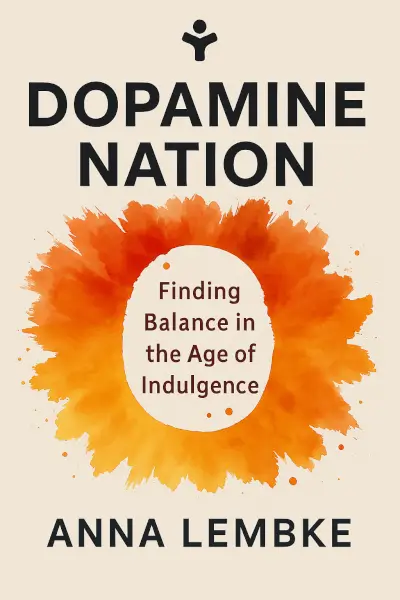
Dopamine Nation: Finding Balance in the Age of Indulgence
Ready to Take Action?
Get the Mentorist app and turn insights like these into daily habits.