Balance Is a Moving Target—Homeostasis, Tolerance, and the Brain’s Hidden Gremlins
Many of us have felt the pull—a delicious coffee, a social media scroll, or a favorite snack that brightens the afternoon. At first, the reward is sharp and sweet. But after weeks or months, the spark seems to fade; it takes more to feel that same boost. The quiet letdown becomes more familiar, and the original pleasure begins to slip away.
Behind the scenes, the brain’s pleasure system balances stimulation by quietly hiring 'gremlins'—internal regulators that hop onto the pain side every time you chase reward. The more you lean into pleasure, the more the gremlins work overtime, leaving you hungrier, jitterier, or oddly numb after the high fades. Scientists call this process homeostasis—your body’s natural effort to find equilibrium.
With repeated exposure, your system builds tolerance—needing more for the same result—and sometimes even resets your baseline toward dissatisfaction. But pausing for a few days can give these invisible regulators time to hop off, restoring balance and letting small pleasures feel fresh again. Recognizing this cycle turns your habits from invisible drivers into manageable patterns.
For the next week, focus on tracking a favorite pleasure’s cycle—watching how your mood and urge change before, during, and after. Then, take a two-day break from it, noting any withdrawal, boredom, or new interests that arise. Reflect: when you return to the habit, does the enjoyment come back stronger or weaker, or simply different? Map your observations, and you'll unlock a hidden lever for adjusting your own sense of satisfaction and desire, using your brain’s built-in balancing act.
What You'll Achieve
Recognize and adjust the subtle biological cycles that regulate pleasure and pain, building the ability to reset your tolerance, break negative cycles, and regain enjoyment of everyday activities.
Track and Reset Your Personal Pleasure-Pain Scale
Pick a habit that brings quick pleasure.
Choose something you return to often—coffee, games, sweet snacks—to focus on for one week.
Observe your urge and mood before, during, and after.
Each time you do the habit, notice the high, any crash or letdown, and how the urge changes after repeating it.
Experiment with abstaining for two days.
Take a short break from this pleasure and pay attention to withdrawal symptoms, mood, and your ability to enjoy other things.
Compare your enjoyment before and after the break.
After resuming, see if the pleasure returns stronger, weaker, or feels different.
Reflection Questions
- Where have you seen tolerance or diminishing returns in your own habits?
- What happens during days when you abstain from your favorite pleasure?
- How does your brain and mood respond to breaks or overuse?
- What might you change if you understood your own 'gremlins'?
Personalization Tips
- A tea drinker tracks how morning tea makes their mood spike and then dip—and how taking two days off resets their enjoyment.
- A gamer skips out on gaming for a weekend, noticing both irritability and a return of interest in old hobbies.
- A social media user follows their cravings for notification checks, maps the cycle, then takes a break to see if the desire and enjoyment change.
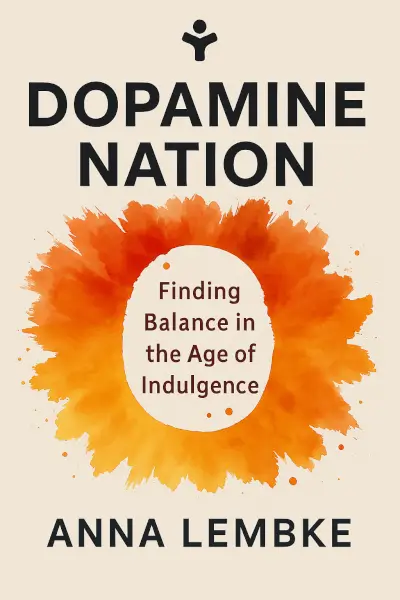
Dopamine Nation: Finding Balance in the Age of Indulgence
Ready to Take Action?
Get the Mentorist app and turn insights like these into daily habits.