Harness the Paradox—How Embracing Small, Controlled Pain Fuels Lasting Joy
You step into a cold shower, breath catching as icy water prickles your skin. Every instinct shouts to get out, but you stay—counting slow seconds, practicing steady breathing. At first, every part of you resists; images of warm towels and central heating flicker through your mind. Yet, as your body adjusts, a curious energy emerges: your senses feel sharper, your thoughts less cluttered. The chill slips from painful to strangely refreshing.
Later, wrapped in a sweater, you notice a subtle but real boost—a lightness in your mood, the room’s ordinary light looking a little brighter. That night, you fall asleep quickly, feeling calmer than usual. As days pass, the discomfort becomes less threatening, replaced by anticipation of the after-feeling. There are setbacks: some mornings the shower feels like punishment, but you remember the alert, pleasant buzz that follows.
Biologically, this routine is called 'hormesis'—a process where small doses of stress trigger the body’s self-healing and mood-improving responses. Science shows that controlled exposure to minor pain, challenge, or struggle builds mental and physical resilience, helping us shift from dependency on constant comfort toward lasting satisfaction. By leaning into discomfort—not recklessly, but thoughtfully—you unlock deeper reserves of energy and joy.
Now, gently add a minor challenge to your usual day—try a cold shower, a brisk outdoor walk, or even a tough puzzle that frustrates you at first. Stick with it for several days, tracking your mood before and after each time. If you find yourself adapting, make it a tiny bit harder or longer while still staying safe. As you push into discomfort, watch how your mind and body respond—notice the lift that comes after, and see how your threshold for pain and stress grows. Embrace the paradox: when you choose small hardships, you open the door to surprising pleasure.
What You'll Achieve
Increase mental toughness and emotional stability, build resilience to stress and temptation, and experience more vivid satisfaction from daily life. Internally, you'll feel steadier and more energized; externally, you’ll recover faster from setbacks.
Introduce a Minor Challenge Into Your Routine
Pick one safe, uncomfortable activity to try.
Choose a challenge like a cold shower, brisk walk in cool weather, or skipping dessert. Avoid anything dangerous.
Do it daily for a set period (at least 5 days).
Stick with the activity long enough to notice both the discomfort and any changes in mood or satisfaction afterward.
Reflect on and record your emotional state before and after.
Jot down a few notes or rate your energy and mood before and after the experience.
Increase the challenge slightly if it becomes easy.
If you start enjoying or ignoring the initial discomfort, up the ante just a little, always staying safe.
Reflection Questions
- What safe discomfort could you introduce to challenge yourself?
- How do you feel before and after each session?
- Are there areas in your life where you avoid all pain, and is it helping or hurting?
- What would consistent, healthy challenge look like for your future?
Personalization Tips
- A runner adds a tough hill sprint at the end of their regular jog, then records the invigorating rush that follows.
- A student voluntarily gives up social media for an hour before bed, noticing increased calm and better sleep.
- A family member chooses to wash dishes by hand instead of using the dishwasher, turning a boring chore into a mindful challenge.
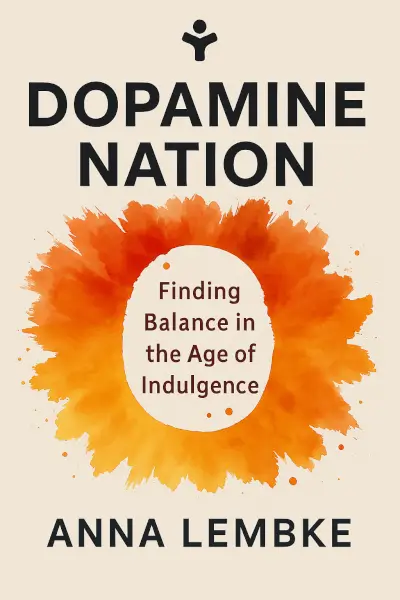
Dopamine Nation: Finding Balance in the Age of Indulgence
Ready to Take Action?
Get the Mentorist app and turn insights like these into daily habits.