Why Self-Binding Beats Willpower—Create Barriers to Outwit Your Own Habits
On a busy weekday, Sasha realized she was spending most evenings glued to her phone, absent-mindedly scrolling through videos while ignoring homework. The habit had crept in so slowly she barely remembered when it started—now, it felt automatic. Tired of wasted nights and falling grades, Sasha decided to try something different.
Instead of just promising herself she’d use 'willpower,' she asked her brother to put her phone in a kitchen drawer from 7 to 9 pm every night. At first, she resented the inconvenience—getting her phone out required an awkward family interaction, which sometimes discouraged her enough to skip it. After a week, she found herself reaching for her laptop or, occasionally, a book instead. Over time, her homework productivity climbed, and she reclaimed time for sleep and hobbies.
Studies show that willpower is a limited resource—depending on sheer internal strength often backfires. By making undesired actions physically harder or introducing social barriers, you outwit your 'automatic brain,' giving your rational self a much-needed advantage. This technique isn’t about strength; it’s about being clever with structure. self-binding strategies, used from the days of Odysseus to present times, help people break dangerous or unhealthy habits by putting space between desire and action.
Identify one habit that’s been driving you crazy lately—something you often fall back into despite your best intentions. Now, get creative: how can you make it harder to do? Move the object out of your room, hand it to a trusted friend, or set up a digital barrier that requires extra effort to bypass. Let someone know what you’re trying, or use a tool that keeps you accountable. After a week, pause to reflect—see which parts worked and where you still slipped. You’ll be surprised how much less tempting an activity becomes when it isn’t instantly available.
What You'll Achieve
Reduce bad habits without exhausting willpower, leading to lasting changes in behavior and improved self-discipline. Internally, you'll feel less frustrated with yourself; externally, habits become easier to manage due to built-in friction.
Make Your Bad Habit Harder—Physically or Logistically
Pinpoint one specific habit you want to change.
Choose something you often do automatically, like late-night phone scrolling, snacking, or online shopping.
Design a physical or logistical barrier.
Physically move the tempting item, set device limits, or create friction (put snacks high up, use app blockers, remove credit cards from online sites).
Enlist others or use external tools for accountability.
Let a friend, sibling, or parent hold you accountable or hold onto the temptation (e.g., a phone locked in a box). Try using a digital lockbox or accountability apps.
Review the process after a week.
Reflect on whether the barriers helped reduce the unwanted behavior and how easy/hard it was to bypass them.
Reflection Questions
- Which habits have resisted willpower alone?
- What physical or social barriers might make them harder to repeat?
- How did changing your environment affect your urges?
- What support or tools could increase your success?
Personalization Tips
- A student leaves the TV remote in the kitchen after dinner, so streaming shows requires getting up and asking permission.
- A family stores junk food in a locked box, with mom or dad holding the key.
- A business owner blocks access to distracting websites during office hours using a website blocker.
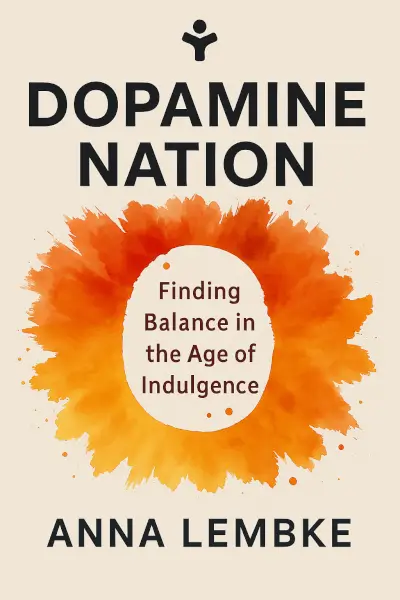
Dopamine Nation: Finding Balance in the Age of Indulgence
Ready to Take Action?
Get the Mentorist app and turn insights like these into daily habits.