Why Radical Honesty Is Hard—and How It Sets You Free From Self-Sabotage
You wake up already feeling the tension—there’s that homework you didn’t finish, or maybe the sneaker tracks your sibling left in the mud. As you walk through your day, the little white lies creep up almost unconsciously: a missed assignment blamed on 'bad Wi-Fi,' a quick 'I’m fine' when you’re not. For years, these have been your safety net, keeping you out of trouble or smoothing over conflicts. But beneath the surface, something’s nagging—a vague anxiety, a hidden weight that builds every time the truth is bent.
During a radical honesty challenge, you decide to let the truth out instead. At first, it feels almost reckless—the air seems heavier around confessions, and you cringe waiting for backlash. But to your shock, awkwardness quickly gives way to new conversations; a friend listens more intently, a parent accepts your mistake, a teacher offers help. Each time you tell the truth, the tension inside eases, replaced by a strange lightness and subtle relief. People around you aren’t always thrilled—sometimes they’re disappointed or even angry—but you notice you’re less afraid, less guarded, and you waste far less mental energy keeping stories straight.
Radical honesty doesn’t just clean up your social life; it changes your brain. Neuroscience shows practicing truth-telling strengthens parts of the brain tied to emotional awareness and planning, helping you feel more real, connected, and confident. With every small honest act, you’re training yourself to choose authenticity over fear—building trust with those around you and with yourself.
For the next seven days, pick one area in your life where the truth often takes a backseat. Any time you notice yourself about to stretch, bend, or hide the truth, make a quick note. Each chance you get, replace the planned lie with a candid, clear statement—even if it feels risky. At night, take time to check in with your feelings. Notice where honesty brought discomfort, where it sparked a better conversation, or where it felt like a breath of fresh air. You don't have to aim for perfection, but push a bit further into honesty each day. After a week, see how lighter and more open things feel.
What You'll Achieve
Reduce mental stress and guilt from hiding or fabricating, leading to improved relationships, inner peace, and authenticity. Internally, you'll gain calm and confidence; externally, you'll experience greater trust and connection.
Start a 7-Day Radical Honesty Challenge
Identify one area where you often tell small lies.
Pick something like homework excuses, online exaggerations, or glossing over mistakes at home. Be honest with yourself about where you bend the truth.
Track each time you catch yourself about to lie.
Carry a small notebook or use a memo app. Make a quick tally or jot down the situation as it happens.
Replace the lie with a truthful statement.
When possible, speak the truth, even if it’s uncomfortable—'I forgot,' or 'I did it,' rather than inventing a story.
Reflect on emotional and practical outcomes each evening.
Note whether honesty made things awkward, freeing, or led to unexpected conversations and connections.
Reflection Questions
- How do you feel after speaking the truth versus telling a small lie?
- What fears hold you back from radical honesty?
- Did honesty shift your relationships or change the way people responded to you?
- How does truth-telling affect your sense of self and control?
Personalization Tips
- A student admits to a teacher they were late submitting homework, leading to a helpful conversation about time management rather than a penalty.
- A manager tells their team the real reason for a project delay, prompting mutual problem-solving.
- A friend confesses they don’t really like the movie choice, and the group chooses something new together.
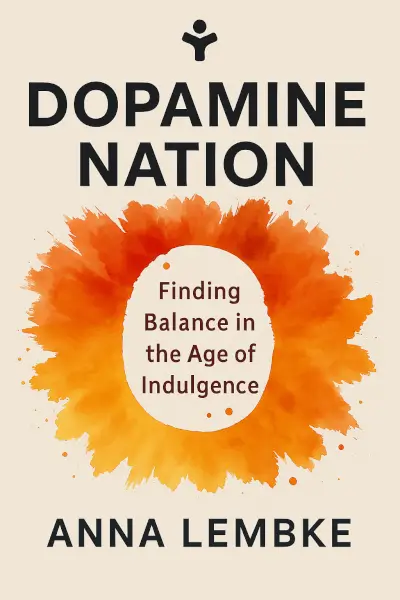
Dopamine Nation: Finding Balance in the Age of Indulgence
Ready to Take Action?
Get the Mentorist app and turn insights like these into daily habits.